Fire Sprinkler System: Types, and to Choose the Right System
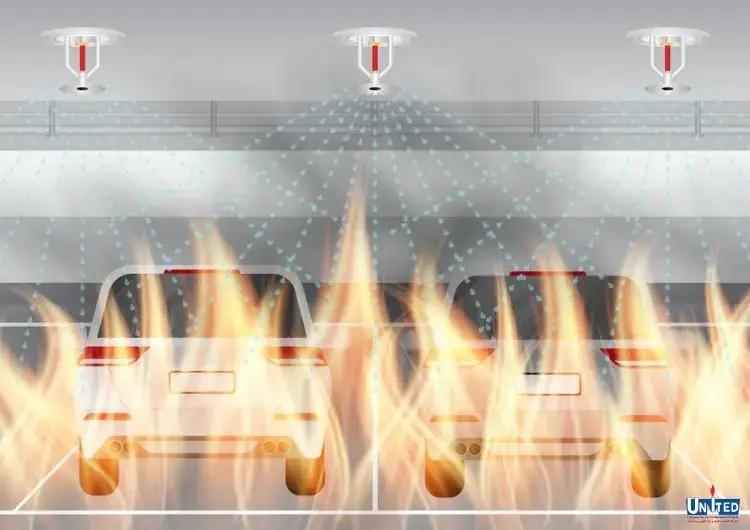
January 25, 2026Fire sprinkler system are a cornerstone of fire suppression systems, playing a vital role in protecting lives and property. These systems rely on automatic sensors that detect abnormal temperature increases when a fire breaks out, immediately releasing water or flame-retardant agents to contain and control the fire in its early stages before it escalates.
Fire sprinkler system represent the first line of defense in many buildings and facilities, as they are designed to provide a quick and effective response that reduces the amount of material losses, limits potential damage, enhances the level of safety for individuals, and preserves the surrounding environment.
Types of fire sprinklers (PDF)
Fire sprinkler system are divided into several types based on their intended use and site conditions. In some applications, the sprinkler operates at a temperature of 68°C, at which point a metal joint inside the sprinkler melts, allowing water to flow forcefully towards the flames.
Some other types of sprayers contain a glass capsule filled with mercury, where the mercury expands as the temperature rises, causing the capsule to break at the set temperature.
The operating temperatures of sprinklers vary depending on the application. For example, in car garages, sprinklers operate at 68°C. However, in kitchens and rooms with high heat sources, it is preferable to install sprinklers that operate at higher temperatures to suit the surrounding conditions. Here are some types of fire sprinkler system:
- Pendant Sprinkler
- It is directed downwards, so the water flows in the same direction. This type of sprinkler is used when there are suspended ceilings and is suitable for all types of buildings and varying degrees of risk.
- Side wall sprinkler
- It is used when other types of sprinklers are difficult to use; it is installed next to the wall, and the water flows in a horizontal direction.
- Fast Response Sprinkler
- The rapid-response fire sprinkler is characterized by its ability to quickly detect fires and effectively extinguish them. This type of sprinkler is used in locations where toxic gases may be produced when fires break out, posing a significant risk to life. Therefore, its use is preferred in these locations to protect lives and minimize damage.
- Semi-recessed sprinkler
- It is used when the goal is to add an aesthetic or decorative touch to the space. Only the top part of the sprinkler is visible, while the rest remains hidden within the false ceilings.
- Recessed Sprinkler
- It is fully concealed within suspended ceilings, with only the cover visible. In the event of a fire, the cover drops, allowing water to flow from the sprinkler head downwards. This type is also used when an aesthetically pleasing or decorative effect is desired.
- Open Sprinkler
- It has no temperature sensor and remains permanently open. When water flows through the connected pipes, it drips directly down through the sprinkler nozzle. It can be operated manually or via quick-release valves.
Read more about: ul fm approved fire pumps
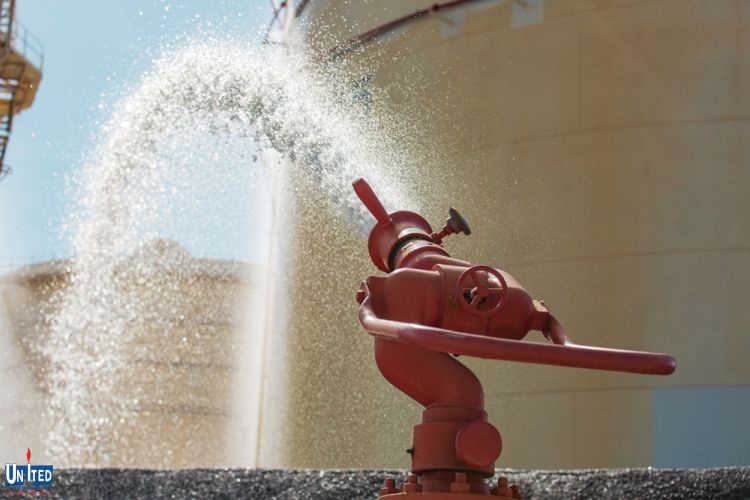
Fire sprinkler distribution schedule
Fire sprinkler placement depends on several factors, including the type of sprinkler, the fire hazard level in the area, the spacing between sprinklers, and ceiling height. The following is a general guide to fire sprinkler placement based on NFPA 13 (National Fire Protection Code):
The levels of risk are divided into three categories based on the type of combustible materials:
1. (Light Hazard)
- Accidents involving the burning of materials such as paper, plastic, and wood are common. They typically occur in the following locations:
- Clubs
- Lecture halls
- hospitals
- Libraries (excluding large warehouses)
- Museums
- Offices
- Restaurants
2. (Ordinary Hazard)
- Places include places such as parking lots, bakeries, food factories, electronic stations, glass industries, laundries, and restaurant services.
- These include chemical plants, dry cleaners, horse stables, workshops, large libraries, metal and paper industries, post offices, theaters, repair garages, tire industries, and woodworking machinery.
3. (Extra Hazard)
- Businesses that deal with combustible hydraulic oils include foundries, kitchens that use inks, rubber industries, and cotton industries.
- Industries that deal with compressed gases include detergents, polishes, paints, and asphalt industries.
Distance between fire sprinklers
The areas covered by the sprinklers (Coverage Area) vary according to the degree of risk, and the distance between the sprinklers is also affected by the type of risk, whether it is light, normal or high:
- Low risk:The sprinkler covers an area of 17-21 square meters, and the maximum distance between each two sprinklers is 4.6 meters.
- Normal risk:The sprinkler covers an area of 9-12 square meters, and the maximum distance between sprinklers is 4.6 meters.
- High risk:The sprinkler covers an area of 9 square meters, and the maximum distance between sprinklers is 3.7 meters.
If the distance between two sprinklers is less than 1.2 meters (6 feet), it may negatively affect the operation of the adjacent sprinkler, as the cooling of the surrounding air can disable it and prevent it from extinguishing the fire.
The minimum distance between the sprinkler and the wall should be 4 inches (1.2 cm).
Fire sprinkler design
Designing fire sprinkler system requires careful attention to several factors to ensure their effectiveness in dealing with accidents. The design begins by determining the appropriate type of sprinkler based on the needs of the location, such as open, concealed, or rapid-response sprinklers.
The degree of risk is also classified based on the type of combustible material, such as low, normal, or high risk. The design includes determining the areas covered by each sprinkler and the distances between sprinklers to ensure comprehensive coverage.
Installation must be carried out in accordance with technical standards to ensure optimal performance, and periodic maintenance must also be considered to ensure that the sprinklers remain in good condition. In addition, concealed or semi-concealed sprinklers can be chosen to improve aesthetics in places that require a neat appearance.
Fire sprinkler installation
Fire sprinkler system must be installed to ensure the safety of people and property, and their importance lies in the following points:
- Effective in extinguishing small fires:It works to reduce damage and prevent fires from developing into more serious situations.
- Ease of use:It works automatically without the need for human intervention.
- Reasonable cost:Despite its high initial cost, it saves money in the long run thanks to its ability to reduce fire damage.
United Group, the exclusive and sole agent for Watex UAE in Egypt, is one of the leading companies in the field of fire sprinkler installation, providing a diverse range of sprinklers that meet all needs and budgets, including fixed and mobile sprinklers.
The company also includes a team of professional technicians capable of installing sprinklers with high efficiency and in record time.
Read more about: co2 fire suppression system
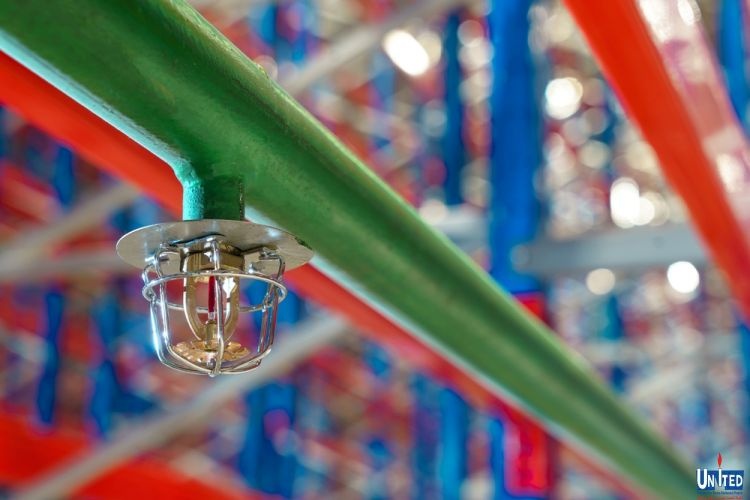
pendant fire sprinkler
A pendant sprinkler is a type of fire sprinkler characterized by its design that allows water to flow downwards. This sprinkler is installed so that it is directed directly from the ceiling, making it suitable for suspended or low ceilings. The advantages of a pendant sprinkler include:
- Water flows downwards:The sprinkler allows for effective coverage of a wide area, helping to extinguish fires quickly and effectively.
- Suitable for suspended ceilings:Its design makes it ideal for suspended or low ceilings, as it can be clearly installed and has an effective fire suppression effect.
- Ease of maintenance:It provides easy access for maintenance and inspection purposes thanks to its ceiling-hanging design.
- Suspended fire sprinkler system are used in a variety of places, including offices, schools, and hospitals, where suspended ceilings are common.
Fire sprinkler distribution method
Fire sprinkler placement depends on several factors to ensure effective and comprehensive coverage. Here's how to place fire sprinkler system:
1. Determining the level of risk:
- Light Hazard: Includes places such as offices and libraries.
- Ordinary Hazard: Includes factories and shops.
- High Hazard: Includes heavy industries or places containing highly flammable materials.
2. Calculating the area and coverage:
- The area covered by the sprinkler: is determined based on the degree of danger.
- Low risk: 17-21 square meters.
- Normal risk: 9-12 square meters.
- High risk: 9 square meters.
3. Distance between sprinklers:
- Low risk: up to 4.6 meters.
- Normal risk: up to 4.6 meters.
- High risk: up to 3.7 meters.
4. Choosing the type of sprayer:
- Pendant Sprinklers: Water flows downwards, ideal for suspended ceilings.
- Side wall sprinklers: These are installed next to the wall and the water flow is horizontal.
- Recessed Sprinklers: These are completely hidden inside the ceilings, providing an aesthetically pleasing appearance.
5. Sprinkler installation:
- Distance from walls: Sprinklers should be at least 1.2 meters away from walls to avoid coverage overlap.
- Avoid obstructions: Make sure that the sprinklers are not blocked by furniture or other structures.
6. Performance check:
- Pressure tests: Ensure that the system provides sufficient pressure to operate all sprinklers effectively.
- Regular maintenance: Check that the sprinklers are working properly and that there are no obstructions in the water system.
7. Adherence to standards:
- NFPA Standards: Ensure that the sprinkler distribution complies with NFPA standards or the approved local code to ensure compliance with safety regulations.
- Properly distributing fire sprinkler system ensures the necessary protection against fires and helps to control them effectively before they develop into major incidents.
Read more about: Fire extinguishing systems
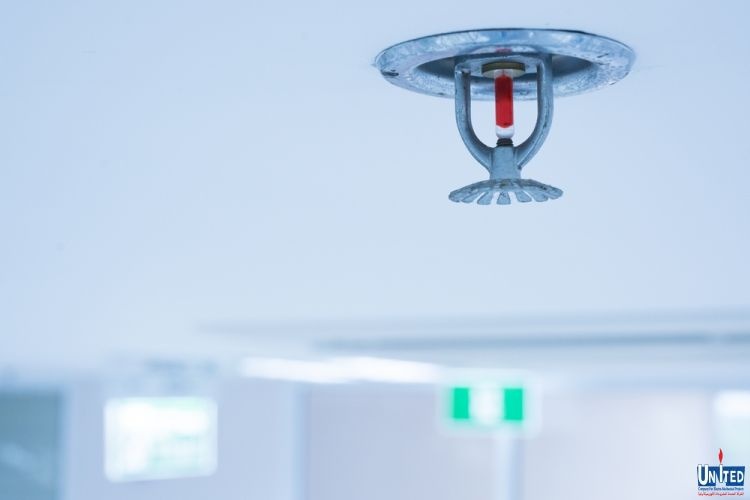
Fire sprinkler temperatures
Fire sprinkler system are classified according to the temperatures at which they are activated, with each temperature level indicated by a specific color of the fluid inside the glass bulb. This fluid expands when it reaches a certain temperature, causing the bulb to rupture and release water immediately.
Choosing the right color is crucial depending on the nature of the location; places that experience naturally high temperatures, such as kitchens or boiler rooms, require sprinklers designed to operate at higher temperatures to avoid accidental activation, unlike offices and places with moderate climates.
Here is a table showing the most common temperatures according to the NFPA classification:
|
The color of the glass bulb |
Operating temperature (Celsius) |
Classification |
Common use |
|
orange |
57°C |
normal |
Offices and homes |
|
red |
68°C |
normal |
Hotels and administrative buildings |
|
yellow |
79°C |
Medium |
commercial kitchens |
|
green |
93°C |
Medium |
Factories and laundry rooms |
|
blue |
141°C |
High |
Transformer and boiler rooms |
|
purple |
182°C |
Very high |
harsh industrial environments |
Fire sprinkler prices in Egypt 2026
A fire suppression system is an essential and indispensable system in any organization, especially in vital facilities, as this system aims to protect the lives of individuals inside the facility by providing effective means to quickly control fires in the event of their outbreak. Here are some factors that affect the prices of fire sprinkler system in Egypt:
- Country of manufacture
- Fire sprinkler system are often imported from abroad, coming from various countries and differing in quality and price. In Egypt, fire sprinkler prices vary depending on the country of origin, with German and American sprinklers being among the most expensive.
- Fire sprinkler type
- Fire sprinkler systems come in a variety of types to suit different purposes and designs, ranging from those concealed in ceilings and walls to those with visible features. The choice of sprinkler type depends on the building's design and finishes, such as the presence of a suspended ceiling or the number of floors, as follows:
- Pendant fire sprinkler: Water flows downwards from it, and it can be installed on ceilings and walls in various buildings.
- Up-right fire sprinkler: Water flows upwards and then downwards, and it is preferable to install it on traditional ceilings rather than suspended ones.
- Horizontal Sidewall Fire Sprinkler system: They are mounted on the wall and the water flow is horizontal.
- Concealed fire sprinkler: Ideal for suspended ceilings, as it is completely hidden behind a cover, and the water flows downwards automatically when a fire occurs.
Contact us to get the best prices on fire sprinkler system in Egypt via phone or our website. United Company Group is the exclusive and sole agent for Watex UAE in Egypt and the largest fire pump agent in Egypt.