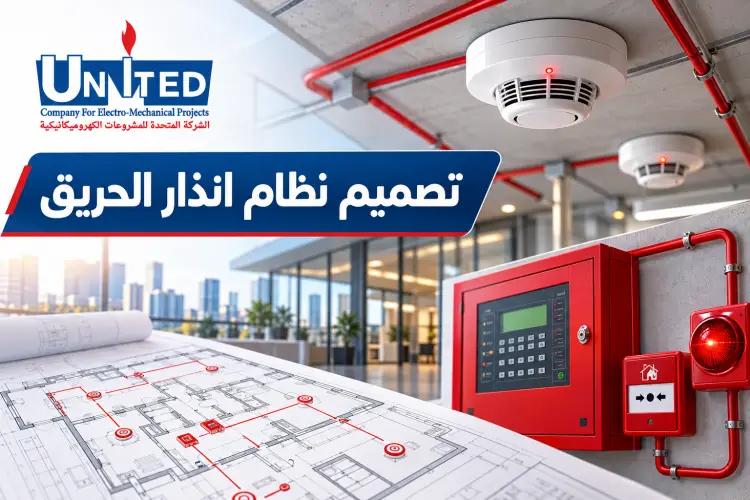
Fire Alarm System Design: Complete Guide for Safe Buildings
September 30, 2026Developing a professional fire alarm system design is the foundational step toward safeguarding lives and property across commercial, industrial, and residential facilities. A successful engineering layout goes far beyond placing detectors at random; it demands a meticulous study that considers the unique characteristics of the building while fully complying with international codes and Civil Defense safety requirements to ensure early detection, rapid response, and seamless licensing.
At UPCO Egypt, we deliver end-to-end solutions in life safety and fire protection. Our services range from engineering consultations and system layouts to equipment supply, installation, and final testing according to globally recognized standards—ensuring maximum reliability, efficiency, and quality.
Stages of Fire Alarm System Design
A robust fire alarm system design relies on structured engineering phases that guarantee comprehensive coverage across every zone of the facility, eliminating blind spots and maximizing safety:
1. Architectural Review and System Selection
The process begins with an in-depth review of the architectural and engineering blueprints. Engineers analyze space utilization—whether the property is an administrative office, industrial plant, residential complex, or healthcare facility—to select the ideal solution. Depending on scale and complexity, projects utilize either an Addressable system for large, intricate properties or a Conventional system for smaller, simpler layouts.
2. Strategic Detector Placement
Detectors and notification appliances are placed on the engineering drawings in strict adherence to international standard guidelines:
- Smoke Detectors: Deployed across corridors, offices, and enclosed spaces within the overall fire alarm system design.
- Heat Detectors: Ideal for kitchens, parking garages, and dusty areas where smoke detectors might cause unwanted nuisance alarms.
- Flame & Gas Detectors: Installed in high-risk industrial sites, chemical processing plants, and fuel storage facilities.
3. Control Panel Selection and Circuit Routing
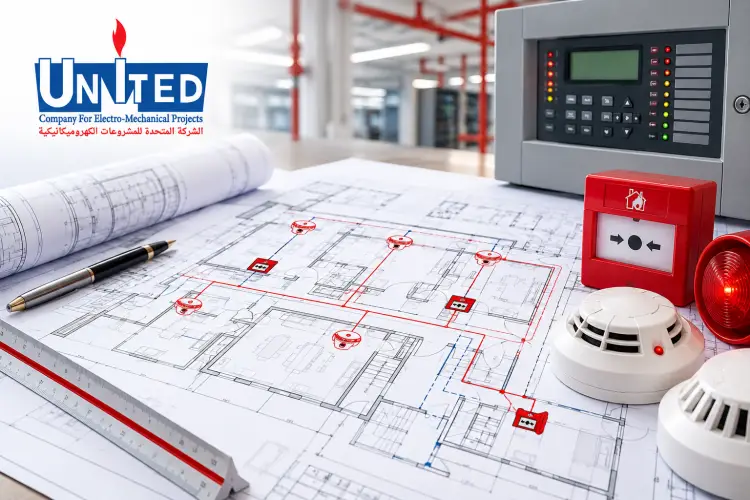
The Fire Alarm Control Panel (FACP) is selected based on total device count, loop capacities, and physical zones. Engineers carefully route fire-rated cables, size backup batteries, and configure system loops to ensure uninterrupted operational readiness, even during primary power outages.
Choosing the right fire protection equipment is essential for building safety, so explore our guide to Fire alarm prices
Technical Standards and Codes Applied by UPCO Egypt
At UPCO Egypt, every fire alarm system design and shop drawing is developed according to rigid local and international fire safety codes, ensuring swift official approvals and top-tier protection:
- NFPA 72 (National Fire Alarm and Signal Code): We reference NFPA 72 to calculate precise detector spacing, sound pressure levels, and strobe light placement for visual notification.
- Egyptian Fire Code: We ensure full compliance with regional codes, preparing documentation that passes local Civil Defense authority inspections without delays.
- Environmental Considerations: Components are specified to withstand extreme site conditions, such as high ambient temperatures, humidity, and dust, particularly in heavy industrial environments.
By maintaining these strict quality benchmarks, UPCO Egypt delivers reliable engineering layouts that blend technical precision with full regulatory compliance.
Addressable vs. Conventional Fire Alarm Systems
Choosing the right technology depends on building size, layout, and operational demands. UPCO Egypt helps clients select the optimal architecture for their specific needs.
|
Feature |
Addressable Systems |
Conventional Systems |
|
Location Precision |
Identifies the exact detector or device initiating the alarm down to the room number. |
Identifies only the general zone where the incident occurred. |
|
Best Suited For |
Large, complex structures like hospitals, hotels, high-rises, and industrial sites. |
Small shops, single-floor offices, and limited-area facilities. |
|
Wiring Architecture |
Uses continuous closed loops, offering greater flexibility and fault tolerance. |
Divides the building into dedicated radial zones with separate wiring paths. |
|
Cost & Maintenance |
Higher initial investment, offset by faster troubleshooting and lower long-term maintenance costs. |
Lower upfront hardware costs, but pinpointing faults can require more labor over time. |
Choosing the proper setup requires balancing safety requirements with budget constraints. Through detailed technical studies, UPCO Egypt guides you to the most cost-effective and dependable architecture.
A reliable alarm system is a key part of fire protection, as explained in our guide to fire extinguishing equipment
AutoCAD Engineering Schematics and Civil Defense Approval
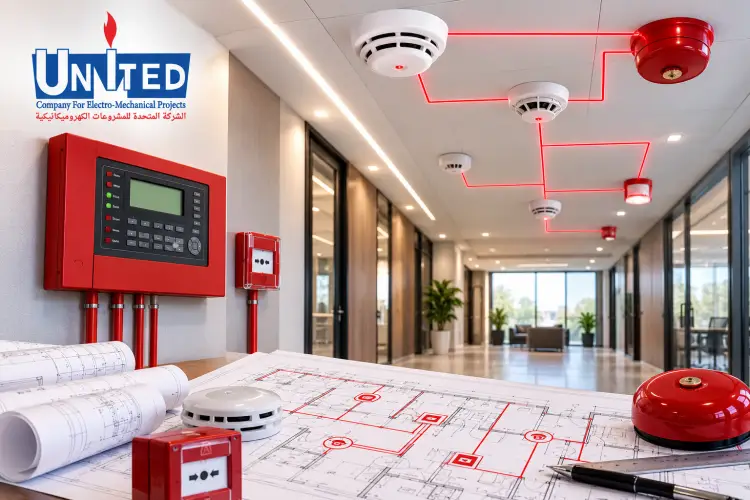
At UPCO Egypt, we turn functional requirements into clear, executable engineering schematics using advanced fire alarm system design software and standard fire system design software tools like AutoCAD:
- Detailed Layouts: Mapping every smoke detector, heat sensor, manual call point, and notification appliance according to exact coverage radii.
- Execution Drawings: Developing detailed Shop Drawings and final As-Built Diagrams for complete post-installation documentation.
- Engineering Calculations: Performing precise load calculations, loop voltage drop analyses, battery sizing, and cable gauge determinations.
- Regulatory Approval Documents: Preparing official submission packages to streamline Civil Defense authority reviews.
With UPCO Egypt, your project starts on a solid foundation of professional CAD drawings and verified calculations.
Why Choose UPCO Egypt for Your Fire Alarm System Design?
UPCO Egypt provides more than just basic blueprints and equipment supply; we deliver end-to-end protection solutions designed for long-term reliability:
- Specialized Engineering Expertise: Our dedicated team designs and reviews modern fire alarm systems tailored to your specific facility type.
- Civil Defense Compliance: Schematics are prepared to meet official regulations, accelerating licensing and permit procedures.
- Tier-1 Equipment Sourcing: We source components from leading global manufacturers to minimize false alarms and maximize system uptime.
- Complete Support & Maintenance: From installation oversight to routine inspections, we ensure your systems remain fully operational.
Partnering with UPCO Egypt means investing in a complete, custom-engineered safety ecosystem built around your property.
Regular maintenance helps keep fire protection systems effective and reliable, so read fire alarm system maintenance for more information.

Integrated Life Safety & Fire Protection Services
Our capabilities go far beyond initial fire alarm system design. UPCO Egypt provides total fire protection integration across multiple disciplines:
- Automatic Fire Suppression: Design, supply, and installation of automatic sprinkler systems as well as clean agent gas suppression (FM-200, CO2, and NOVEC 1230).
- Fire Mains & Pump Stations: Engineering and installing certified fire pump sets and underground/aboveground piping networks.
- Fire Hose Cabinets: Supplying, installing, and maintaining heavy-duty fire hose reels and landing valves for immediate emergency response.
Through integrated engineering, UPCO Egypt bridges the gap between early smoke detection and active fire suppression.
Frequently Asked Questions (FAQ)
What determines the cost of a fire alarm system design?
The overall cost depends on total floor area, facility hazard classification, device density, and whether you deploy an addressable or conventional framework. UPCO Egypt provides custom estimates after reviewing your architectural plans.
How long does it take to prepare engineering schematics?
Turnaround time depends on project scope and building complexity. Standard commercial layouts are typically completed within a few business days, including CAD drafting and load calculations.
Does UPCO Egypt service and upgrade older fire alarm systems?
Yes. We offer preventive maintenance contracts, component upgrades, and full system retrofits for legacy installations to bring them up to modern fire safety codes.
Contact UPCO Egypt today to schedule a technical consultation or site inspection with our engineering specialists, and secure the ideal life safety solution for your business.