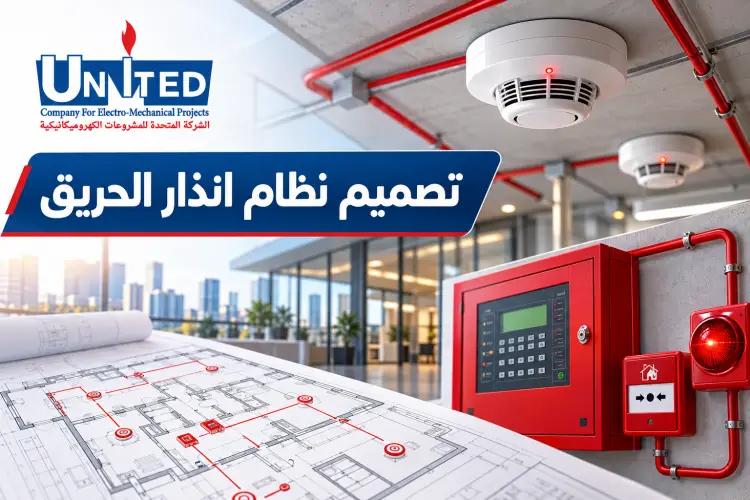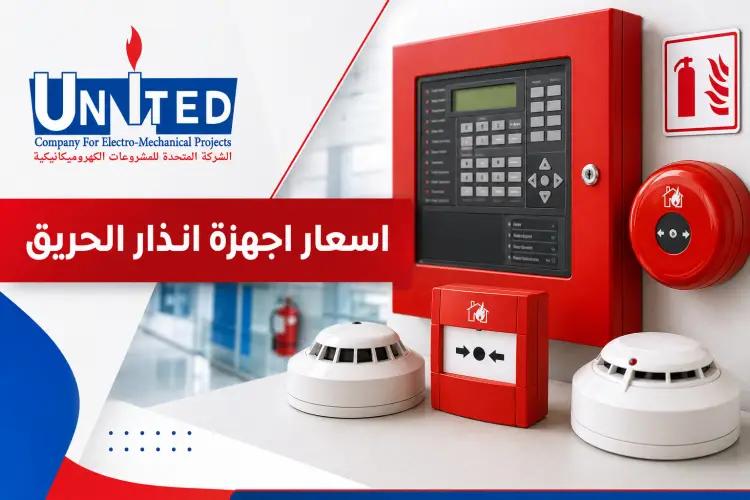
Best Fire Alarm Installation Company in Egypt for Businesses
October 4, 2026Fire alarm installation company options play an essential role in enhancing safety levels and mitigating fire risks within various vital facilities, such as commercial malls, government institutions, companies, and factories that receive large numbers of workers and visitors daily.
If you are looking for a specialized fire alarm installation company and fire fighting systems provider that combines high execution quality with suitable pricing, or if you wish to learn about the types of fire alarm systems and the services offered by specialized firms, this article will guide you. We will review the most important information you need, along with a practical guide for selecting the appropriate fire alarm devices and systems for your facility.
Types of Fire Alarm Devices Offered by Specialized Companies
A professional fire alarm installation company provides a diverse range of systems and technologies designed to meet the specific needs of each facility, based on the nature of the activity, the size of the location, and the level of potential risk. The selection of detection and alarm devices varies depending on the environment in which they will be installed, as illustrated in the following table:
|
System Type |
Category / Component |
Working Mechanism and Function |
Ideal Areas of Application |
|
Automatic Alarm Systems |
Heat Detector |
Senses sudden or excessive temperature spikes. |
Kitchens, heating rooms, and areas with natural smoke or vapors. |
|
Automatic Alarm Systems |
Optical Smoke Detector |
Uses light and optical sensor technologies to monitor smoke density. |
Corridors, administrative rooms, and offices. |
|
Automatic Alarm Systems |
Ionization Detector |
Detects fine particles resulting from carbon-based fires with ultra-high speed. |
Electrical equipment rooms and delicate machinery areas. |
|
Automatic Alarm Systems |
Dual Photoelectric / Ionization Detector |
Combines ionic and optical technologies for maximum accuracy and reduced false alarms. |
Vital facilities, hospitals, and large warehouses. |
|
Manual Alarm Systems |
Manual Call Point (Break Glass) |
Pressed or broken to manually send an instant warning signal upon noticing a hazard. |
Main entrances, stairwells, and emergency escape routes. |
How the Integrated System Operates Upon Alarm Activation
Modern fire alarm systems installed by a professional fire alarm installation company are not limited to sounding audible or visual alerts. They can also be integrated with a range of other engineering systems across the facility to minimize risks and accelerate response procedures upon fire detection. Key integrated functions include:
- Elevator Interlocking: Sending an automatic command to elevators to return to the ground floor and open their doors, while disabling their normal use during emergencies according to system design.
- HVAC System Control: Shutting down or regulating central air conditioning systems upon fire detection to prevent smoke spread across different zones through air ducts.
- Automatic Notification: Transmitting immediate alerts or signals to control rooms and emergency response teams according to system settings and facility requirements.
- Fire Suppression System Activation: Automatically triggering connected fire fighting systems when operational conditions are met—such as automatic fire sprinkler networks or clean agent gas fire suppression systems—tailored to the nature of the space and its existing hazards.
Civil Defense Approved Specifications for Alarm Systems
To ensure maximum safety levels and full compliance with approved codes and standards, fire alarm devices and components must be selected according to technical specifications that guarantee operational efficiency and rapid response. The most essential specifications include:
- Operating Voltage: Control panels and detectors operate within voltages specified by the manufacturer, supported by backup battery systems to ensure uninterrupted operation during power outages.
- Environmental Resistance: Equipment must possess an adequate degree of protection against heat, humidity, and dust, aligned with the nature and location of the installation.
- Response Speed: Modern systems rely on detectors with adjustable sensitivity tailored to the surroundings, achieving swift smoke or heat detection while minimizing false alarms.
- Addressing and Programming: Addressable systems allow each detector or alarm point to be assigned a unique address, facilitating exact hazard location tracking and component status monitoring via the main control panel.
What Factors Determine Fire Alarm System Costs?
Pricing varies across every fire alarm installation company and fire fighting solutions vendor from one facility to another, governed by several technical and engineering parameters that define system scale, components, and operational requirements:
- Facility Size and Type: Building area, floor count, and operational nature directly impact the required number of detectors and sensors, as well as total cable lengths and network infrastructure.
- Alarm System Type: Costs differ between a Conventional system and an Addressable system; addressable systems offer far higher precision in pinpointing the exact detector that initiated the alarm.
- Integration with Fire Fighting Systems: Overall investment increases when linking the alarm network to specialized fire fighting solutions such as FM-200, CO2, or dedicated fire pumps.
- Maintenance and Technical Support: Routine maintenance contracts must be factored in, covering periodic inspections, testing, and troubleshooting to preserve system readiness and operational efficiency.
When Should Fire Alarm Systems Be Inspected?
To maintain constant readiness and ensure your fire alarm system operates flawlessly during emergencies, regular inspection and maintenance must be carried out by a certified fire alarm installation company according to facility requirements and system standards:
- Monthly Inspection: Verifying backup battery conditions, checking control panel integrity, and testing visual and audible notification appliances.
- Bi-Annual Maintenance (Every 6 Months): Cleaning dust from detectors and sensors, thoroughly testing system components, and evaluating response times through certified technicians.
- Post-Modification or Expansion Inspection: Re-testing the entire system following structural, decorative, or partitioning modifications to verify that coverage density and detector efficacy remain uncompromised.
Regular maintenance and systematic inspections help maintain peak system efficiency, prepare facilities for emergencies, and satisfy mandatory licensing and Civil Defense compliance criteria.
Supply and Installation Services by UPCO Egypt
If you are looking for a trusted fire alarm installation company and experienced suppliers of comprehensive Fire Fighting solutions, UPCO Egypt delivers end-to-end engineering services to equip facilities with advanced alarm and suppression systems—ranging from equipment procurement and installation to system integration and ongoing maintenance.
UPCO Egypt supplies a full spectrum of fire fighting solutions, including automatic sprinkler systems, clean agent fire suppression equipment, and specialized safety items compliant with international technical codes and standards, ensuring optimal building protection.
Furthermore, UPCO Egypt tailors complete turnkey solutions engineered around the specific risk profile of each facility, emphasizing seamless interlock performance between fire alarm, HVAC, and fire fighting systems.
For a free consultation and to determine the ideal system for your facility, contact UPCO Egypt, a leading fire alarm installation company, today at: 01006135405
The Role of Alarm Companies in Designing Integrated Systems for Factories and Warehouses
UPCO Egypt places strong emphasis on securing industrial plants, logistics warehouses, and vital infrastructure requiring high-level protection. By offering integrated solutions for fire alarm and Fire Fighting networks, UPCO Egypt supports projects from initial site evaluation to testing and long-term technical care:
- Engineering Design: Preparing detailed engineering layout drawings for safety systems, identifying hazards, and assigning protection points according to facility requirements and applicable codes.
- Procurement and Execution: Supplying and installing control panels, smoke and heat detectors, and matching fire fighting networks such as FM-200 and CO2 tailored to site specifications.
- Support and Training: Training facility personnel and technicians on operating control panels, responding properly to alarm signals, and executing emergency protocols alongside providing technical support.
Reliability and Quality Standards: Why Choose UPCO Egypt?
When choosing a fire alarm installation company for your facility, verifying technical expertise, product certifications, and compliance capabilities is essential. UPCO Egypt provides multiple pillars of reliability:
- Full Compliance with Civil Defense Requirements: Executing fire alarm and Fire Fighting systems according to official standards and technical guidelines enforced in Egypt, fully aligned with facility activity.
- Proven Track Record: Delivering fire protection solutions across multiple sectors, including commercial malls, hospitals, factories, and high-security sites.
- Specialized Engineering Team: Employing experienced engineers and technicians skilled in site survey, system design, installation, and complete network commissioning.
- Warranty and After-Sales Services: UPCO Egypt, a premier fire alarm installation company, offers full component warranties according to manufacturer terms, alongside annual preventive maintenance contracts to keep your systems permanently operational.
Frequently Asked Questions (FAQ)
What is the difference between Conventional and Addressable fire alarm systems?
A Conventional system identifies the general zone where a fire event occurs, making it suitable for smaller spaces. An Addressable system identifies the exact individual detector triggering the alarm on the control panel screen, making it ideal for large complexes, factories, and high-rise buildings.
How often should fire alarm systems undergo routine maintenance?
It is recommended to perform visual inspections monthly and execute routine professional maintenance every 3 to 6 months. This includes cleaning sensors, testing backup batteries, and checking network pressures to ensure optimal system readiness.
Can the fire alarm system be linked to automatic fire fighting systems immediately?
Yes, the main control panel can be interconnected with automatic Fire Fighting systems (such as water sprinklers, FM-200, and CO2), while simultaneously controlling HVAC dampers and directing elevators automatically upon confirmed fire signal verification.