Fire Extinguishing Systems: Types, Uses and Safety Guide Now
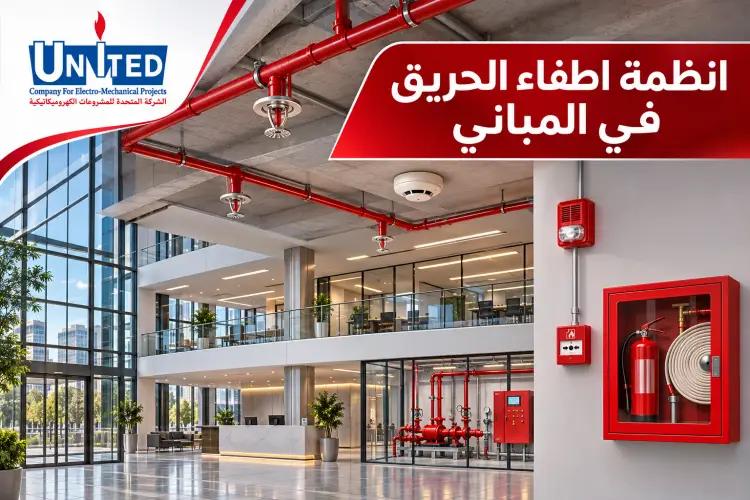
November 9, 2026Fire extinguishing systems in buildings are among the most critical safety measures that protect lives and property. With rapid urban development and the proliferation of high-rise structures, residential complexes, and commercial hubs, implementing robust fire extinguishing systems has become an absolute necessity.
The primary importance of these safety networks lies in their ability to perform early detection, contain flame spread, and facilitate safe evacuation procedures, thereby drastically minimizing human and material losses.
Fire fighting mechanisms vary widely to include water sprinklers, gas suppression setups, and chemical foam setups. Each solution is engineered to combat specific fire hazard classes based on the building’s architectural nature, occupancy rate, and internal contents.
In this comprehensive guide, we explore the vital role of fire extinguishing systems, outline the primary components of a fire fighting network, and highlight industry best practices in collaboration with UPCO Egypt, one of the leading specialized providers of fire extinguishing systems and safety solutions in Egypt.
The Physics of Fire Suppression: How Do the Systems Work?
Modern fire fighting systems rely on precise engineering principles designed to disrupt at least one element of the fire triangle (or fire tetrahedron): fuel, heat, oxygen, and the uninhibited chemical chain reaction. Fire suppression is achieved through four fundamental mechanisms:
- Cooling: Lowering the temperature of the burning material below its ignition point by absorbing heat energy, as seen when using water.
- Smothering (Starving Oxygen): Blocking oxygen supply from reaching the combustible material, effectively quenching the flame using mechanical foam or clean agent gases.
- Fuel Removal (Starvation): Arresting the fire's progression by cutting off the fuel source or physically isolating flammable materials from the active combustion zone.
- Chain Reaction Inhibition: Interrupting the chemical reactions sustaining the flame by neutralizing free radicals, accomplished via dry chemical powders and specialized gaseous mediums.
Fire alarm prices plays an essential role in improving safety standards and reducing potential fire risks across different facilities.
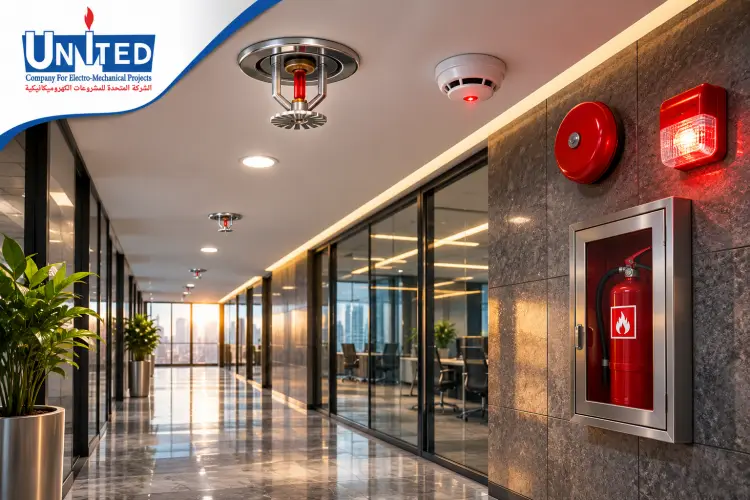
Core Components of Fire Extinguishing Systems
Complete fire extinguishing systems consist of integrated mechanical and electrical sub-assemblies working in tandem to ensure rapid hazard identification and immediate counter-response. Key network elements include:
- Fire Alarm & Main Control Panels: Serving as the central intelligence hub, control panels process input signals from smoke and heat detectors to automatically activate notification appliances and paired suppression systems according to pre-configured safety logic.
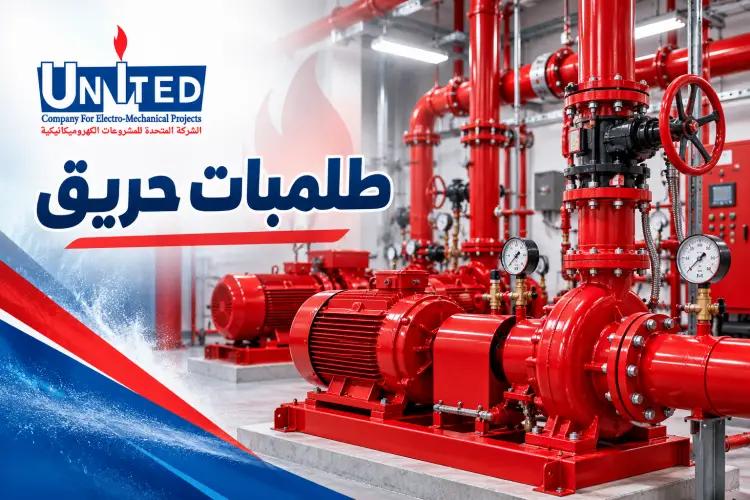
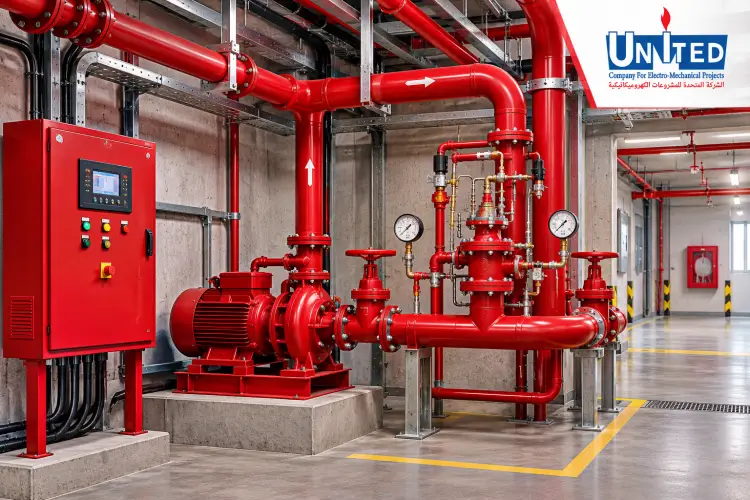
- Fire Pumps: Responsible for delivering the necessary water pressure and flow rate throughout the piping network. The assembly standardly features a primary electric or diesel engine pump backed by a specialized jockey pump that maintains system pressure and compensates for minor pressure drops.
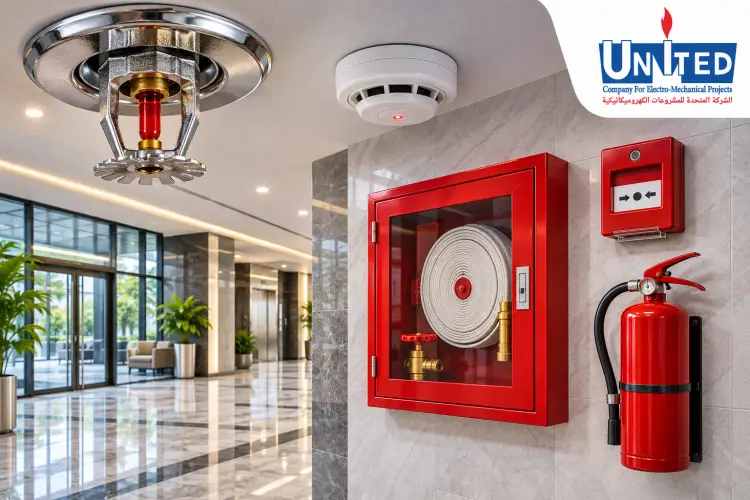
- Fire Hose Cabinets: Encasing high-pressure hoses, hose reels, valves, and connection nozzles, providing trained occupants and emergency crews quick access to manual fire fighting equipment.
- Piping Network & Valves: Built from pressure-rated steel pipes alongside specialized control, check, and pressure-regulating valves designed to route water safely to targeted discharge points during emergencies.
- Automatic Sprinklers: Thermally sensitive discharge nozzles that activate individually when ambient temperatures reach a predetermined threshold, distributing water directly over the affected zone to control fire spread.
Types of Fire Extinguishing Systems in Buildings
Building fire protection setups are selected based on specific operational risks and building usage. Engineering standards categorize them into automatic and manual setups. The main types of fire extinguishing systems include:
1. Water-Based Systems
The most widely deployed and cost-effective fire extinguishing systems, encompassing automatic sprinklers and standpipe hose cabinets. They are primarily designed for residential buildings, commercial office spaces, and storage warehouses handling Class A solid combustible materials.
2. Foam Systems
Specifically designed for Class B flammable liquid and petroleum hazards, such as fuel depots, chemical processing plants, and industrial garages. Foam forms an airtight blanket over the liquid surface, isolating oxygen and suppressing volatile vapors.
3. Carbon Dioxide Systems (CO2)
Work by rapidly lowering oxygen concentrations within the protected enclosure to extinguish flames without leaving post-discharge residue. Ideal for electrical transformer vaults and generator rooms. Due to severe life-safety risks and asphyxiation hazards, total area evacuation is mandatory before CO2 system discharge.
Understanding the different Fire extinguisher company and their applications helps businesses select suitable protection equipment and improve workplace safety.
4. Dry Powder Systems
Exhaustive solutions effective against multi-class fire risks (solid fuels, liquid chemicals, and pressurized gases depending on the agent formulation). Commonly installed in industrial production sites, workshops, and bulk storage units.
5. Clean Agent Systems (FM-200 & Novec 1230)
Gaseous fire protection engineered for sensitive asset protection, such as IT server rooms, data centers, and critical control centers. Clean agents suppress fires rapidly without depositing electrically conductive or corrosive residues that could damage delicate electronic infrastructure.
Comparison Matrix: Primary Fire Extinguishing Systems
|
System Type |
Suitable Fire Class |
Typical Application Areas |
Initial Investment Level |
|
Water-Based Systems |
Class A (Solid Combustibles) |
Residential spaces, offices, commercial centers |
Low to Moderate |
|
Foam Systems |
Class B (Flammable Liquids) |
Fuel storage, chemical plants, parking garages |
Moderate |
|
Carbon Dioxide (CO2) |
Electrical & Liquid Hazards |
Transformer vaults, generator rooms |
High |
|
Clean Agents (FM-200 / Novec 1230) |
Sensitive Assets & Electronics |
Data centers, server rooms, historical archives |
High |
Note: Total procurement and installation costs vary based on total square footage, storage volume, hazard classification, system capacity, and specific maintenance requirements.
Application Protocols by Facility Type
Designing fire extinguishing systems requires tailoring equipment configurations to match the specific operational risks of different facility types:
Industrial Facilities & Manufacturing Plants
Deploying robust fire extinguishing systems in manufacturing environments is crucial due to the concentration of raw materials, operational heat, and machinery risks. Systems combine water deluge/sprinkler networks, gaseous suppression, and chemical foam setups depending on section-specific fuel loads. Discharge outlets are strategically spaced across production floors to ensure immediate containment, while CO2 units protect high-voltage electrical machinery.
Hospitals & Healthcare Facilities
Healthcare centers prioritize early warning smoke/heat detection integrated with manual pull stations to facilitate structured patient evacuation. Automatic water sprinklers cover general areas, while clean agent gaseous systems safeguard high-value diagnostic suites, operating rooms, and clinical laboratories where water discharge could destroy life-saving medical devices.
Residential Properties & Private Estates
Installing a dedicated fire extinguishing systems for home setup—such as residential misting nozzles, residential sprinkler loops, and accessible home fire extinguishers—provides critical fire defense for family living spaces, preventing localized kitchen or electrical fires from escalating into catastrophic structural events.
Fire fighting pump are essential safety solutions that support early fire detection and help improve fire prevention measures in commercial and industrial facilities.
Fire Suppression System Price Determinants & Selection Criteria
Estimating the overall fire suppression system price depends on multiple engineering metrics and financial considerations:
- Total Building Footprint: Total square meters, floor count, ceiling heights, and internal compartmentalization layout.
- Occupancy Risk Profile: Hazard level variations between standard residential units, commercial retail spaces, and chemical storage facilities.
- Regulatory Code Compliance: Strict adherence to international and local life safety standards, such as National Fire Protection Association (NFPA) codes.
- Equipment Certification: Quality grade of pumps, control valves, and detection hardware carrying international certifications like UL Listing and FM Approval.
Selecting the optimal fire safety configuration requires partnering with certified MEP engineering consultants to conduct thorough risk assessments, design compliant pipe networks, and plan long-term fire suppression system inspection protocols to maintain system readiness over time.
Why Choose UPCO Egypt?
UPCO Egypt stands as a premier manufacturer and supplier of high-grade fire hoses, specialized hose couplings, heavy-duty fire pump packages, and comprehensive fire fighting equipment across Egypt and the broader Middle East region.
Our core product lines hold major international quality accreditations, including UL, FM, ULC, BE, and EN standards. Beyond manufacturing excellence, UPCO Egypt delivers technical engineering consultation, site risk evaluation, and customized system selection guidelines tailored to the unique requirements of every commercial, industrial, or residential project.
Driven by an unwavering commitment to quality and life safety, UPCO Egypt empowers property owners with certified, high-performance protection setups. Whether you are looking for the best fire extinguishing systems for industrial sites or evaluating a fire suppression system price for commercial developments, contact our technical sales team today to explore our engineered fire protection product range.
Frequently Asked Questions
What is the main difference between water sprinkler systems and clean agent gas systems?
Water sprinklers control Class A solid combustible fires using thermal cooling, whereas clean agent systems (such as FM-200 or Novec 1230) extinguish fires chemically without leaving liquid or powdery residue, making them ideal for sensitive electronic equipment and data rooms.
Can carbon dioxide (CO2) systems be installed in occupied office spaces?
No. CO2 systems work by rapidly displacing oxygen, posing severe risk of human asphyxiation. Consequently, CO2 suppression is restricted to unoccupied, enclosed spaces like power generation rooms and high-voltage transformer vaults under strict safety interlock controls.
What certifications should be verified during a fire suppression system inspection or pump selection?
Engineers and building managers should verify that fire pumps, valves, control panels, and sprinklers hold recognized international testing marks such as UL (Underwriters Laboratories) and FM (Factory Mutual) approval to guarantee performance reliability during emergencies.