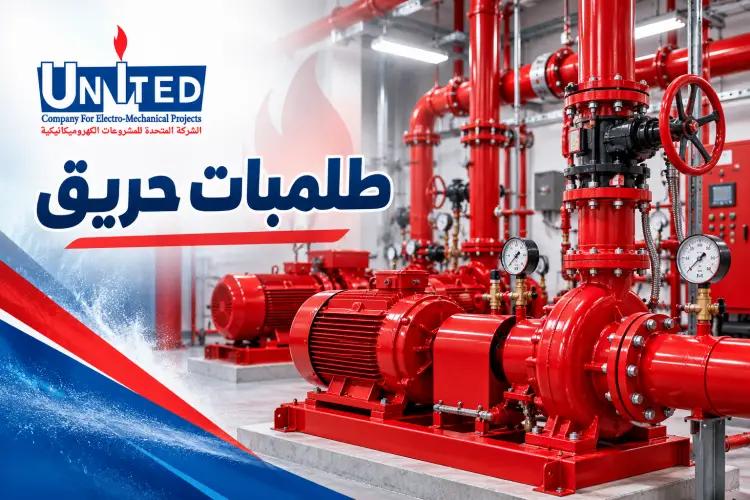
Fire Pumps: Types, Specifications and Selection Guide 2026
October 19, 2026UPCO Egypt is a leading specialized provider of life safety systems and Fire Pumps in Egypt. Operating as the authorized agent for UAE's Watex, UPCO Egypt offers turnkey supply, installation, and engineering services for diverse pump configurations—including electric, diesel, and jockey setups—strictly aligned with NFPA standards to guarantee operational readiness and facility safety.
These specialized units represent the foundational backbone of any mechanical fire suppression architecture. By generating essential water pressure during emergencies, they protect lives and physical assets from catastrophic fire propagation across residential, commercial, and industrial developments.
This guide explores the vital role of these systems, their primary configurations, pump room component layouts, and key criteria for selecting the ideal setup for your facility.
Types of Pumping Systems and Their Primary Applications
Different operational environments require specific pumping configurations to satisfy water flow and pressure requirements:
- Diesel Units: Powered by autonomous diesel engines, these setups serve as primary or emergency backup water drivers during utility grid failure, guaranteeing uninterrupted fire suppression.
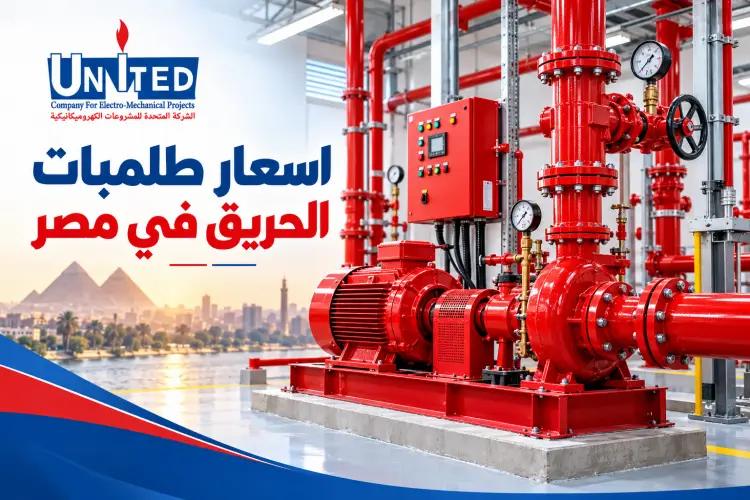
- Centrifugal Units: The most common pump type deployed across commercial and industrial facilities, engineered to move high water volumes at steady pressure levels.
- Electric Units: Driven by electric motors, these systems deliver reliable, continuous water pressure with high operating efficiency and straightforward maintenance routines.
- UL/FM Listed Models: Tested and certified under strict international safety standards, these units represent the Best fire pumps for megaprojects, industrial complexes, and properties with strict insurance or code compliance mandates.
- Jockey Units: Small, multi-stage auxiliary pumps designed to maintain baseline static pressure inside the piping loop, compensating for minor micro-leaks to prevent unnecessary cycling of the main drivers.
- Emergency Backup Units: Secondary systems installed to maintain redundancy if the primary driver undergoes failure or routine servicing.
Technical Specifications According to NFPA Standards
To ensure hydraulic reliability and code compliance, these systems must conform to rigorous technical parameters outlined in NFPA 20:
- Hydraulic Performance Curve: The setup must be capable of supplying 150% of its rated flow capacity at no less than 65% of its rated net pressure head.
- Appropriate Casing Configuration: Utilizing End-Suction or Split-Case configurations depending on flow volume demands and suction lift conditions.
- Dedicated Control Panels: Each driver must feature an individual, factory-matched control panel for precise operational management and fault monitoring.
- International Testing Marks: Sourcing UL-listed or FM-approved hardware when mandated by consultant project specifications.
- Code Alignment: Adhering to NFPA and local Egyptian Fire Code rules across layout design and pipe sizing.
UPCO Egypt provides full engineering support, from hydraulic calculations and blueprint design to equipment procurement and site commissioning.
Key Factors Influencing the Fire pumps price
Evaluating the Fire pumps price requires analyzing several engineering and technical variables:
- System Type & Configuration: Split-case, end-suction, diesel, electric, or vertical turbine configurations carry distinct manufacturing costs.
- Capacity & Head: Required discharge volume (GPM) and working pressure (Bar/PSI) dictate motor horsepower requirements.
- Brand Origin & Build Quality: Component origins, metallurgy, and manufacturing standards influence overall pricing.
- Third-Party Certifications: UL/FM listed equipment reflects extensive factory testing and higher manufacturing precision.
- Turnkey Installation Scope: Piping connections, electrical cabling, sub-framing, and commissioning labor.
For a detailed quotation, contact UPCO Egypt—the exclusive agent for Watex in Egypt—to review your project blueprints and select a cost-effective, code-compliant package.
Why Partner with UPCO Egypt?
Selecting the right equipment supplier is critical for maintaining long-term safety and passing Civil Defense inspections. UPCO Egypt delivers turnkey engineering services tailored to industrial, commercial, and residential facilities:
- Engineering Design: Tailored hydraulic calculations and schematic layouts designed to comply with local and international codes.
- Equipment Supply: Sourcing top-tier Best fire pumps, including electric, diesel, and jockey configurations.
- Professional Installation: Precision mounting, alignment, and network piping execution by qualified technical teams.
- Routine Maintenance & Inspection: Scheduled preventative checkups to guarantee total readiness during emergency events.
- Code Compliance: Full alignment with Egyptian Civil Defense requirements and NFPA safety standards.
Frequently Asked Questions (FAQ)
What is the typical capacity range of water drivers in GPM?
Pumping capacity varies widely based on facility risk profile and total square footage. Flow rates generally range from 50 GPM for small commercial properties up to 5,000+ GPM for large industrial plants and logistics centers.
What is the standard operating pressure for fire protection networks?
Operating pressure typically ranges between 7 and 12 Bar (approx. 100 to 175 PSI) in standard systems. Pipe networks and fittings are engineered to withstand these high pressures to ensure effective water stream reach at hose valves and sprinklers.
Securing your building with a certified suppression network requires reliable pumping hardware. Contact UPCO Egypt today to request technical datasheets, review the competitive Fire pumps price, or schedule a site survey with our engineering team.