Fire Sensor price: Types, How Works, and Installation Guide
October 19, 2026A fire sensor represents a fundamental line of defense within early detection and warning architectures. Acting as the initial trigger for smoke, thermal, or gas development, a fire sensor provides immediate warning to accelerate evacuation and prevent catastrophic structural losses. Choosing the proper Fire alarm system requires evaluating facility layout, potential fuel sources, and environmental conditions alongside local Egyptian Fire Code rules and international standards like NFPA 72.
What is a Fire Sensor?
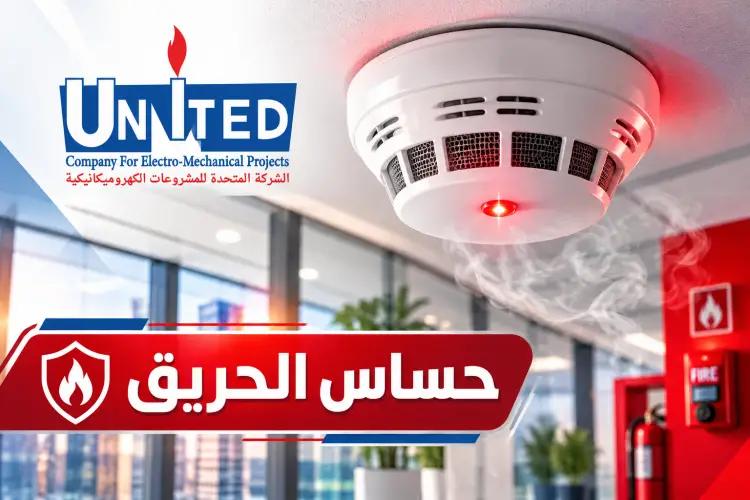
A fire sensor is an electronic detection unit engineered to identify early physical signatures of combustion—such as smoke particulates, rapid thermal spikes, or flame radiation—within residential, commercial, or industrial properties.
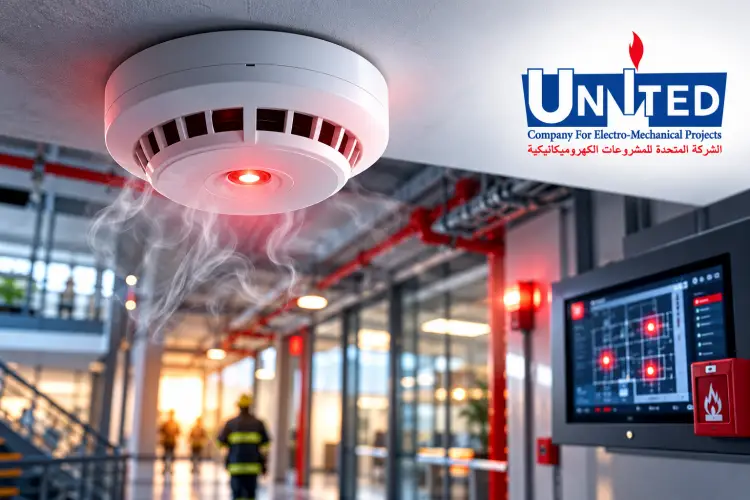
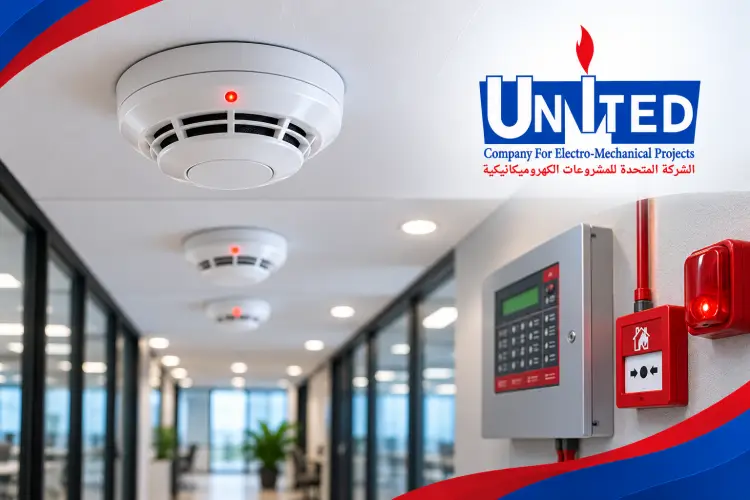
Upon identifying a hazard, the Fire alarm system sends an electrical signal to the central Fire Alarm Control Panel (FACP). The panel processes this data to trigger notification appliances, producing a loud fire alarm sound to alert occupants. Concurrently, the integrated fire alarm system can engage automated suppression setups (such as clean agent FM-200 gas or sprinkler networks), shut down HVAC dampers, control smoke evacuation fans, and unlock emergency exit doors based on pre-programmed safety matrixes. Relying on high-performance detection devices supplied by UPCO Egypt guarantees rapid signal transmission during emergency situations.
Technical Comparison: Smoke Detectors vs. Heat Detectors
Selecting between smoke and thermal detection units depends on the target area, room airflow, and anticipated fire behavior. Below is a technical comparison based on international fire engineering practices:
|
Technical Aspect |
Smoke Detector |
Heat Detector |
|
Operating Mechanism |
Detects visible or invisible combustion particles via Photoelectric chambers or Ionization technology. |
Responds to temperature increases using Fixed Temperature thresholds (e.g., 57°C / 68°C) or Rate-of-Rise (RoR) thermal sensors. |
|
Response Speed |
Fast response speed; ideal for smoldering, slow-burning fires that release heavy smoke before open flames appear. |
Slower response time; requires ambient air to reach specific temperature thresholds before activation. |
|
Coverage Area |
Typically covers between 50 and 80 m2 depending on ceiling height and airflow conditions. |
Typically covers between 30 and 50 m2 depending on thermal rating and ceiling layout. |
|
Optimal Locations |
Ideal for offices, hotels, hospitals, corridors, and bedrooms where ambient air stays clean under normal conditions. |
Preferred for kitchens, boiler rooms, garages, and workshops where dust, steam, or exhaust fumes cause false alarms. |
|
Nuisance Alarm Susceptibility |
Higher susceptibility to unwanted triggers when exposed to airborne dust, cooking steam, or high humidity. |
Highly resistant to smoke, steam, and environmental dust; built for harsh operating conditions. |
To explore more fire protection solutions, check out our guide on Fire alarm panels and learn how different systems help detect potential fire hazards.
Types of Smoke and Fire Detection Units
Advancements in detection technology have introduced high-precision sensing units that minimize nuisance alarms while improving response times:
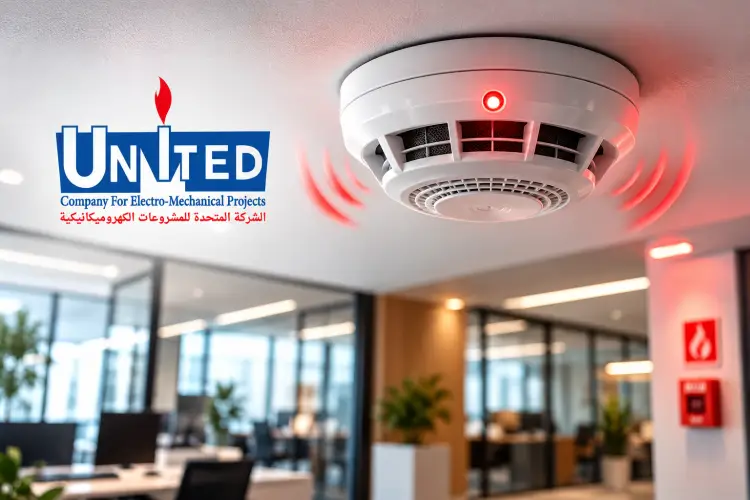
- Photoelectric Smoke Detector: Uses an internal light source and light sensor to detect scattered light caused by entering smoke particles. It is ideal for smoldering fires in office buildings.
- Heat Sensor / Detector: Available in Fixed Temperature or Rate-of-Rise (RoR) configurations. It is the preferred detection device for high-dust or high-steam zones like commercial kitchens and mechanical rooms.
- Multi-Criteria / Combination Detector: Blends optical smoke sensing with thermal monitoring in a single unit. This dual-technology fire sensor significantly reduces false alarms while expanding hazard response parameters across a modern fire alarm system.
- Flame and Gas Detector: Built for high-risk industrial plants, refineries, and chemical storage sites. It identifies infrared (IR) or ultraviolet (UV) radiation emitted by open flames or detects combustible gas leaks before ignition.
UPCO Egypt supplies internationally certified detection products, including UL/FM-listed Apollo systems and LPCB-approved Tanda components.
Technical Standards and Installation Guidelines
Proper installation according to NFPA 72 and the Egyptian Fire Code is critical for maintaining overall system reliability:
- Clearance from HVAC Diffusers: Install every fire sensor at a safe distance from supply air vents to prevent fresh airflow from pushing smoke away from the optical chamber.
- Wall and Ceiling Spacing: Mount detection units on ceilings away from dead-air spaces (such as tight corners where walls meet ceilings) that block smoke accumulation.
- High Ceiling Applications: For high-ceiling spaces like warehouses or atriums, optical beam detectors or Aspirating Smoke Detection (ASD) systems offer superior performance compared to standard spot-type sensors.
- Control Panel Compatibility: Ensure every installed fire sensor matches the protocol of the central control unit, whether configured for conventional or addressable communication.
You can also read our article on fire smoke detector to understand the factors that affect equipment selection and overall system costs.
Common Installation and Maintenance Mistakes
Avoiding technical mistakes during design, installation, and commissioning prevents system failures and nuisance alarms:
- Incorrect Placement in Steam or Dust Zones: Installing a standard optical unit inside a commercial kitchen or near steam vents causes continuous false alarms. Heat sensors or specialized multi-criteria units should be used instead.
- Neglecting Maintenance and Cleaning: Dust accumulation inside optical sensing chambers reduces sensitivity and triggers fault signals on the control panel.
- Ignoring Architectural Obstructions: Deep ceiling beams, decorative bulkheads, and large light fixtures can block smoke travel. Sensor positioning must account for these structural elements.
- Protocol Mismatches: Installing a fire sensor incompatible with the panel’s signaling line circuit (SLC) leads to communication faults or system offline status.
To prevent these issues, partner with experienced engineers like UPCO Egypt to handle device selection, site distribution, and commissioning testing according to approved code standards.
Top Brands and Price Ranges in Egypt (2026 Update)
Detection hardware prices in the Egyptian market fluctuate based on manufacturer origin, communication technology (addressable vs. conventional), and testing certifications (UL, FM, LPCB).
Leading Global Brands Available Through UPCO Egypt
- Apollo: Renowned UK manufacturer offering premium, highly reliable fire detection solutions for commercial and industrial facilities.
- Tanda: Reliable fire detection brand offering cost-effective, LPCB-certified addressable and conventional devices.
Average Detection Device Pricing
- Standalone 9V Battery Smoke Alarm: 450 to 900 EGP.
- Conventional Smoke or Heat Sensor: 800 to 1,800 EGP per unit.
- Addressable Smoke Detector: 2,200 to 4,500 EGP per unit depending on brand origin, certifications, and technical specifications.
Average Control Panel (FACP) Pricing
- Conventional Control Panel (2 to 4 Zones): 18,000 to 35,000 EGP.
- Addressable Control Panel (1 to 2 Loops): 55,000 to 110,000 EGP depending on loop capacity and certification tier.
Note: The prices listed above are estimated guidelines for 2026 and vary based on market supply, currency exchange rates, and installation scope. Contact UPCO Egypt for an updated project quotation.
For a more comprehensive approach to fire safety, explore our guide on smoke detector price to discover essential products and their applications.
Why Choose UPCO Egypt for Your Detection Network?
UPCO Egypt provides complete life safety solutions encompassing design, equipment sourcing, installation, and ongoing maintenance. As authorized distributors for global brands like Apollo and Tanda, UPCO Egypt equips your property with certified, high-grade hardware tailored to your specific risk profile.
Frequently Asked Questions (FAQ)
What is the average lifespan of a fire sensor, and when should it be replaced?
Most detection units have an operational lifespan of 8 to 10 years under normal indoor conditions. Replace any unit that reaches its manufacturer-recommended expiration date, fails sensitivity testing, or exhibits recurring faults.
What is the difference between a conventional and an addressable fire alarm system?
A conventional system identifies the general zone of an alert, whereas an addressable system identifies the exact individual fire sensor that activated. This pinpoint accuracy enables faster response times in larger facilities.
How can facilities reduce false alarms?
Select the appropriate sensing technology for each room, avoid installing optical units near steam or heavy dust, and execute regular cleaning and maintenance as recommended by the manufacturer.
Does the Egyptian Fire Code require linking detection units to automatic fire suppression systems?
Yes, depending on building occupancy and hazard classification. Where required, the central panel coordinates detection inputs with automatic fire suppression mechanisms—such as sprinklers, clean agent gas release, or smoke extraction fans—activating them upon receiving verified alarm signals.
Securing your building with a certified fire alarm system starts with selecting high-precision detection hardware. Contact UPCO Egypt today to order certified Apollo and Tanda equipment, schedule a technical consultation, or request a complete project quotation.