Break Glass Fire Alarm: Types, Features and Selection Guide
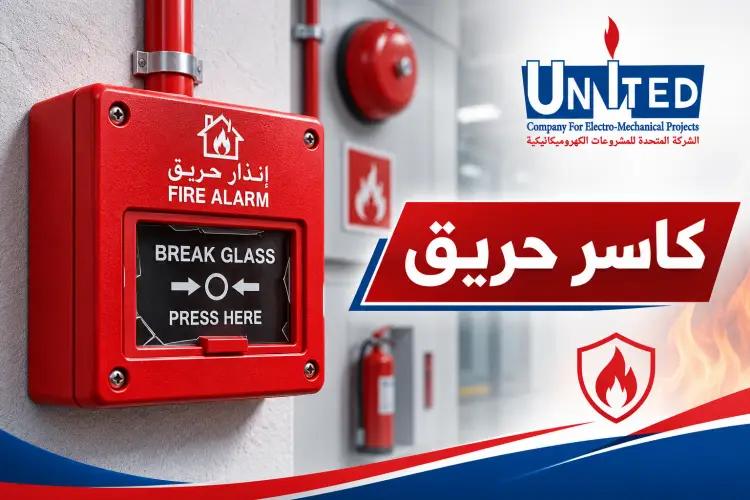
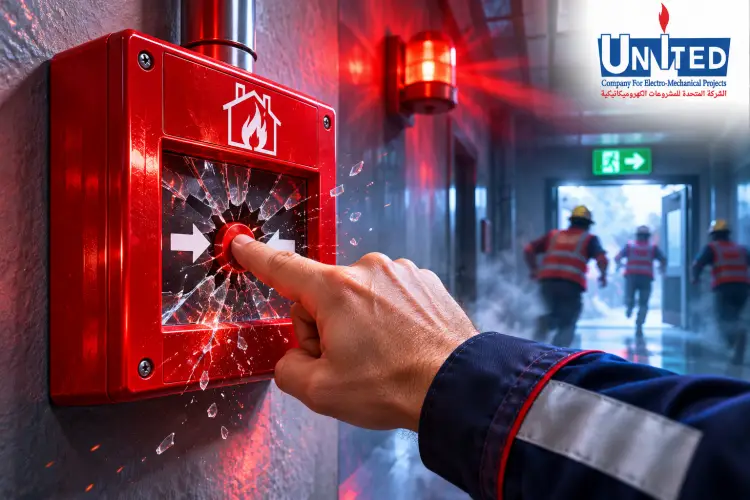
November 11, 2026In the initial seconds of a fire outbreak, swift action plays a critical role in containing flame spread and minimizing both casualties and property damage. This highlights the vital importance of a break glass fire alarm, serving as a manual initiation device that allows individuals to activate the fire alarm system immediately upon detecting danger, accelerating emergency response and evacuation procedures.
Driven by the commitment to deliver reliable protection solutions, UPCO Egypt supplies a comprehensive range of manual call points, including both Conventional and Addressable units tailored to meet the diverse operational requirements of commercial and industrial facilities. The company provides certified products complying with Egyptian Civil Defense regulations and international standards, alongside rapid supply solutions and competitive pricing to ensure seamless operation during emergencies.
What is a Break Glass Fire Alarm and How Does It Function?
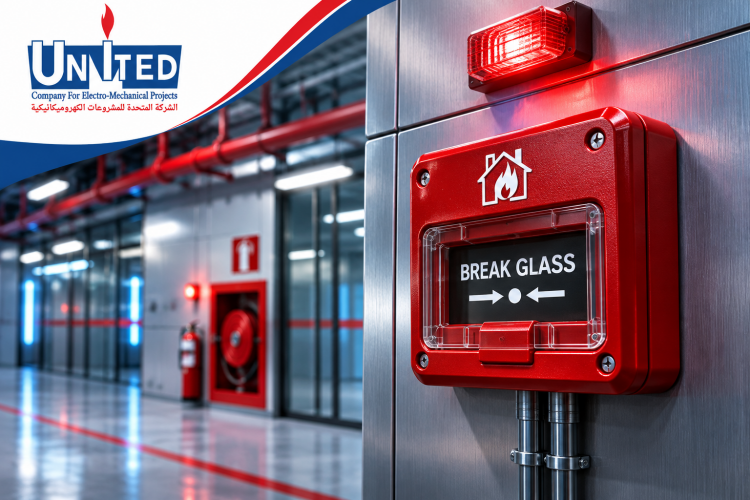
A break glass fire alarm functions through manual operation, performed either by breaking the front glass or pressing a flexible plastic element depending on the model's engineering design. Once triggered, it transmits an immediate signal to the main fire alarm control panel, which activates sounders, strobes, and notification appliances to alert building occupants of an emergency. Its primary advantage is the ability to initiate an alarm instantly upon visual detection of a hazard without waiting for automatic smoke or heat detectors to respond.
Types of Call Points: Which One Fits Your Project?
Selecting the appropriate break glass fire alarm depends on building area, facility usage, and the overall system design. Choosing the right device balances safety performance, operational efficiency, and economic viability.
1. Conventional Manual Call Point
Applications: Best suited for small to medium-sized facilities relying on conventional fire detection systems, such as retail shops, administrative offices, and residential structures.
Features: Delivers a cost-effective solution with straightforward installation and maintenance, making it ideal for projects that do not require pinpoint location identification per device.
Explore essential fire protection solutions for different facilities in our complete guide to Fire extinguisher company.
2. Addressable Manual Call Point
Applications: Installed in large or complex facilities requiring precise zone monitoring, such as factories, hospitals, shopping malls, and hotels.
Features: Allows emergency teams to pinpoint the exact location of the activated device via its unique address registered on the central control panel, reducing response time during critical situations.
Consult with the engineering specialists at UPCO Egypt to determine the optimal configuration for your project requirements while accessing certified devices at competitive rates.
Quick Comparison: Conventional vs. Addressable
|
Comparison Point |
Conventional Call Point |
Addressable Call Point |
|
Location Identification |
Identifies the entire zone where the device was activated. |
Pinpoints the exact individual device via its registered system address. |
|
Initial Cost |
Lower initial purchase cost; highly budget-friendly. |
Higher initial investment due to advanced technical capabilities. |
|
Project Scope |
Suitable for smaller facilities and limited floor areas. |
Designed for hospitals, industrial plants, malls, and large complexes. |
|
Programming & Wiring |
Wired into standard zone circuits without individual address programming. |
Requires address setting, system programming, and central panel integration. |
Choosing the right safety equipment is essential for building protection. Learn more in our guide to fire detection system.
Technical Specifications to Verify Before Purchase
To ensure compliance with engineering safety standards and avoid rejections during official inspections, review these key criteria before acquiring a break glass fire alarm:
- Local and International Certifications (UL / FM / CE): Ensure devices hold valid test certificates verifying compliance with global safety standards. UPCO Egypt supplies certified safety equipment meeting Egyptian Civil Defense requirements and project handover specifications.
- Reset Mechanism: Modern systems favor reusable plastic elements over traditional breakable glass, allowing technicians to restore the device to standby mode using a dedicated key. Choosing a break glass fire alarm manual reset option lowers ongoing maintenance expenses and eliminates constant replacement parts.
- Ingress Protection (IP Rating): Select units based on environmental exposure:
- Indoor Units: Suitable for offices, corridors, and enclosed areas protected from weather conditions.
- Outdoor / Weatherproof Units: Engineered for industrial sites and open yards, requiring protection ratings such as IP66 or IP67 to withstand dust, rain, and humidity.
Discover the importance of early warning and detection technologies in our detailed article about fire-alarm-system.
Civil Defense Installation Requirements (NFPA 72)
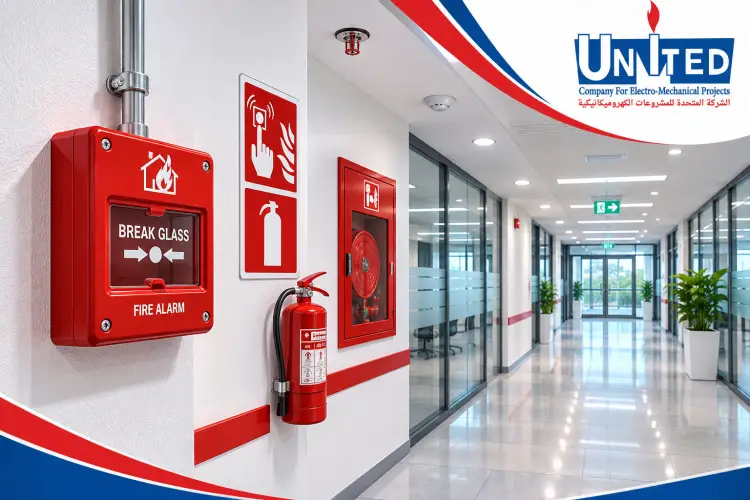
To safeguard lives and properties while ensuring full compliance with national fire codes and NFPA 72 guidelines, adhere to the following installation parameters:
- Mounting Height: Install wall-mounted units at an accessible height, typically between 1.1 meters and 1.3 meters above finished floor level, ensuring ease of reach for all individuals, including people with disabilities.
- Strategic Placement: Positions must be selected near emergency exits, stairwell enclosures, and main exit passageways so occupants can activate the alarm along their natural evacuation paths.
- Device Spacing: Distribute devices to guarantee that manual initiation points remain easily accessible throughout the building footprint based on approved code requirements rather than arbitrary spacing.
Market Pricing and Supply Solutions
When evaluating the market, finding an accurate break glass fire alarm price depends on several variables, including system type (Conventional vs. Addressable), brand origin, IP rating, and international certifications (such as UL, FM, or LPCB).
1. Economy Tier – Conventional Call Points
Designed for small to mid-sized projects requiring dependable manual protection at a lower entry cost.
- Cost: Economical purchase and wiring costs compared to addressable alternatives.
- Key Brands: Compatible options from brands such as Zeta, Notifier, and other certified manufacturers.
- Benefits: Simple wiring, low programming requirements, and quick deployment.
Learn about key safety requirements and protective measures for different buildings in our guide to Automatic extinguishing systems.
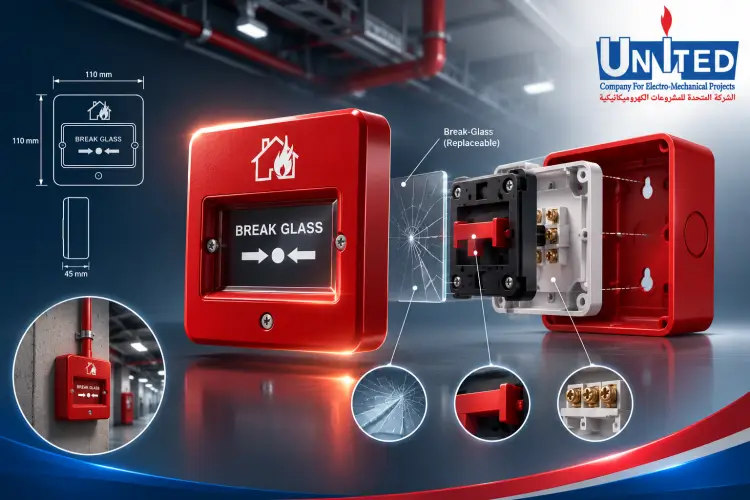
2. Advanced Tier – Addressable Call Points
Targeted at large-scale facilities demanding precise monitoring and complex integration.
- Cost: Higher investment offset by advanced location-tracking capabilities.
- Key Brands: Leading manufacturers including Hochiki, Simplex, and Zeta Addressable.
- Benefits: Direct location identification on the main panel and reusable reset mechanisms for optimized emergency management.
UPCO Egypt provides tailored supply solutions for contractors, engineering consultants, and project developers, featuring:
- Bulk Volume Discounts: Competitive tiered pricing for large-scale procurement contracts.
- Fast Logistics: Reliable supply timelines tailored to project completion schedules.
- Documentation & Warranty: Full provision of certificates of origin, data sheets, and official warranties to support project handovers.
Contact the team at UPCO Egypt today for a custom price quotation based on your project specifications.
Frequently Asked Questions
Does the glass need to be replaced after every activation?
Not necessarily. Modern call points utilizing a resettable plastic element can be reset to operational status using a dedicated key without replacing glass components, saving long-term maintenance costs.
How is a call point wired to the control panel?
Conventional: Connected via a two-wire zone circuit terminated with an End-of-Line (EOL) resistor.
Addressable: Connected along a signaling line circuit (loop) where each device communicates its unique address to the panel.
Can an addressable call point be connected to a conventional panel?
Direct connection is not possible due to differing communication protocols. While specialized monitor modules exist for certain hybrid applications, selecting a break glass fire alarm fully compatible with your control panel architecture is recommended for maximum system reliability.