Fire Fighting System Installation: Expert Tips & Standards
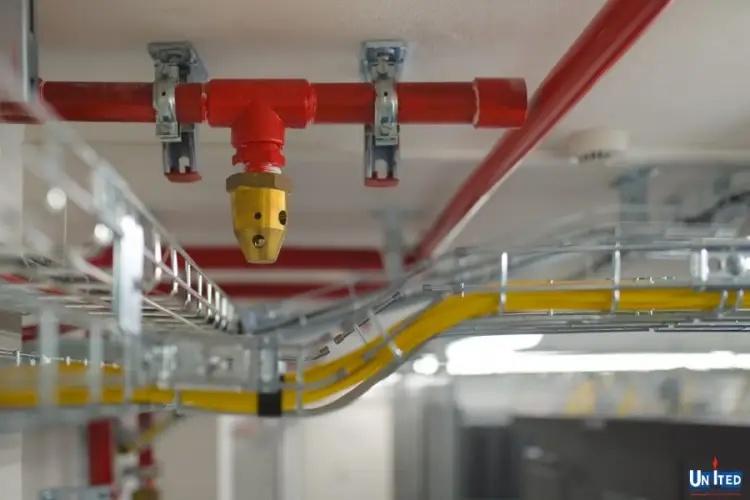
July 14, 2026The supply and installation of fire fighting systems is one of the most important safety elements inside buildings and facilities, as it contributes to protecting lives and property and reducing losses resulting from fires. With technological development, extinguishing systems have become more efficient thanks to early detection and automatic extinguishing technologies using water sprinklers or clean gases.
In this guide, we review the most important specifications of fire fighting equipment and approved extinguisher symbols, in addition to learning about the services of the United Project Electromechanical Company (upcoegypt), the exclusive agent of the Emirati company Watex, in the design, supply, installation, and maintenance of fire systems according to the latest international safety standards and codes.
Fire Fighting Equipment
Fire fighting equipment is an essential part of the safety equipment that is indispensable in any site or facility. This equipment includes the tools used by firefighters and workers in different workplaces to fight fires and protect lives and property.
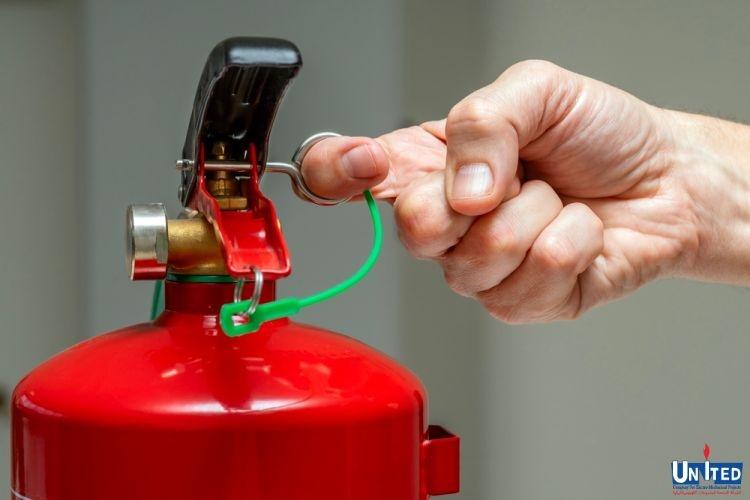
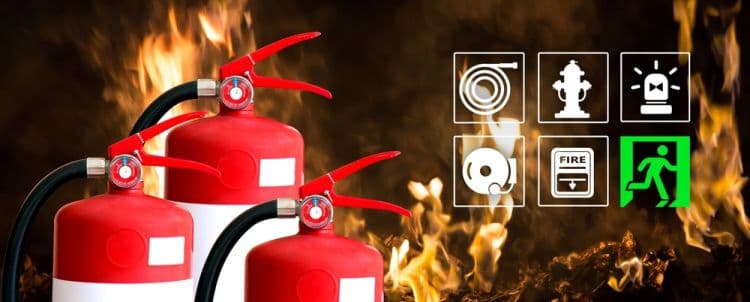
Fire fighting equipment varies between protective heat-resistant clothing, helmets, gloves, and durable boots, in addition to equipment such as fire extinguishers, water hoses, and breathing apparatus that help firefighters reach dangerous and safe areas to deal with fires.
With the development of fire fighting technologies, this equipment has become stronger and more flexible, giving firefighters the ability to move faster and control fires more effectively, which contributes to reducing damage and protecting everyone. Contact the United Company, the best fire fighting system installation and supply company, which is one of the most prominent companies specializing in the supply and installation of fire fighting systems.
Compare now: Check out the latest Firefighting Equipment Prices of all types to ensure the safety and protection of your property
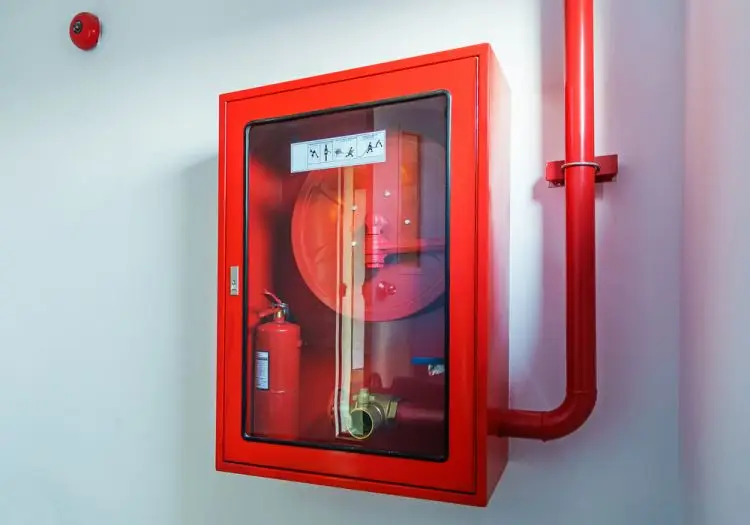
Fire Alarm System Components
A fire alarm system consists of a group of integrated devices and components that work together for early fire detection, sounding the alarm, and assisting in executing evacuation procedures before the fire spreads. The design of these systems depends on NFPA code requirements, and their components are divided into five main parts:
1. Central Control Panel (Fire Alarm Control Panel - FACP): The control panel is the main brain of the system, as it receives signals from fire detectors, analyzes them, and then issues orders to activate alarm devices and link them to other systems inside the building. It is divided into:
- Conventional System: Identifies the fire zone only, without precisely identifying the detector's location.
- Addressable System: Gives each detector an independent address, allowing the fire location to be determined accurately and quickly.
2. Initiating Devices (Input Devices): These devices work to detect fire and send an immediate signal to the control panel. They include:
- Smoke Detectors: To detect smoke in the early stages of a fire.
- Heat Detectors: Which respond when the temperature reaches a certain limit or rises suddenly.
- Flame Detectors: Used in high-risk areas to detect radiation emitted from flames.
- Multi-Sensor Detectors: Which combine more than one sensing method to increase detection accuracy and reduce false alarms.
- Manual Call Points: Which allow manual activation of the alarm when a fire is noticed.
3. Notification Appliances (Alarm and Warning Devices): After detecting a fire, the control panel operates warning devices to alert those inside the building, including:
- Bells and sirens to emit audio alarms.
- Optical strobes to alert people in high-noise areas or those with hearing disabilities.
- Voice evacuation systems that issue evacuation instructions to guide individuals safely to emergency exits.
4. Power Supplies: The fire alarm system operates on two power sources to ensure continuous operation:
- Primary source: The building's public electricity (AC).
- Backup source: Internal batteries that operate automatically when power is cut off to ensure continuous operation of the system in accordance with NFPA 72 requirements.
5. Interfacing Systems: Modern fire alarm systems integrate with different building systems to increase the level of safety, as they can:
- Shut down air conditioning systems to prevent the spread of smoke.
- Automatically open electronic doors and emergency exits.
- Return elevators to the ground floor and disable their use during a fire.
- Send notifications or alarm signals to monitoring systems or emergency rooms to speed up the response.
Fire Extinguishing Gas
A gas extinguishing system is a system that uses special gases to extinguish fires without the need for water or chemical substances, making it suitable for locations containing sensitive equipment or hazardous materials. This system works by reducing the concentration of oxygen in the burning area, which leads to extinguishing the fire. Among the gases used in this system:
- Carbon Dioxide ($CO_2$): Which is often used to fight oil and grease fires in industrial kitchens and places containing delicate equipment, as it reduces oxygen and stops the chemical reactions causing ignition.
- Hydrofluorocarbon Gas (HFCs): An environmentally friendly alternative to chlorofluorocarbons (CFCs), whose use was banned due to the environmental damage they cause. HFCs gas is used in automatic extinguishing systems inside buildings and industrial and commercial facilities, and is characterized by its safety for use in closed areas, and it leaves no harmful effects on equipment. Contact us now with the largest fire fighting system installation and supply companies.
- Nitrogen Gas ($N_2$): Used in automatic extinguishing systems in oil, gas, and chemical facilities, where it works to reduce oxygen concentration in the burning area, thereby limiting the spread of the fire. The nitrogen extinguishing system is an ideal choice for facilities containing equipment sensitive to water or chemical substances, such as electronic equipment rooms and chemical laboratories, because it relies on pure nitrogen as an extinguishing medium without leaving any impact on the equipment.
When operating a gas extinguishing system, a large amount of gas is released into the burning area, which may lead to reducing oxygen levels to levels dangerous to individuals.
Therefore, it is necessary to conduct a risk assessment and take preventive measures to protect individuals and property. In some cases, the gas system alone may not be sufficient, requiring the use of an additional system such as water spraying or foam.
Factors related to cost, effectiveness, and safety must also be considered, regulations and standards must be followed, and workers must be properly trained on use and maintenance. The United Company provides services for fire fighting system installation and supply using the latest technologies to ensure absolute safety.
Get a quote: Discover the updated Fire Extinguisher Price for different capacities (dry powder, CO2, or foam) to secure your home or car
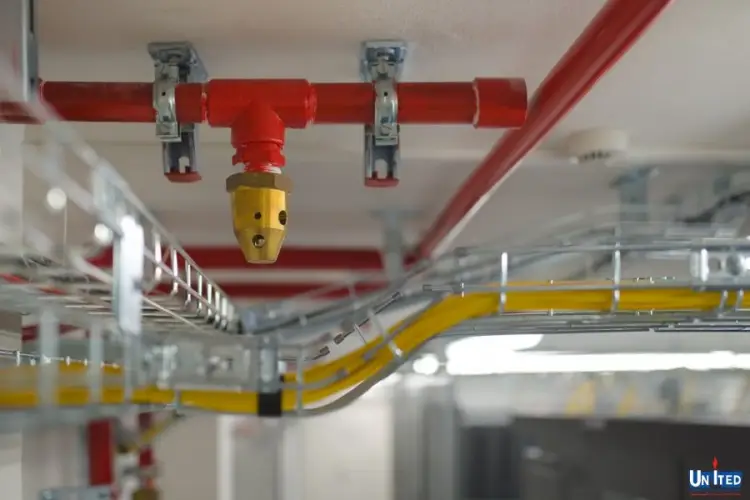
Fire Extinguisher Symbols
Each type of fire has a special method for extinguishing, whether manual or automatic, and some methods are not suitable for all types. Based on this, types of fires have been classified using English letters to determine the type of substance causing the fire. Here is the classification table of fire types and suitable extinguishing media according to the NFPA standard:
|
Fire Class |
Flammable Materials |
Suitable Extinguishing Medium |
Forbidden Methods |
|
A |
Solid materials such as wood, paper, fabrics, and plastics. |
Water extinguishers and dry chemical powder. |
No special restrictions. |
|
B |
Flammable liquids such as gasoline, oils, alcohol, and paints. |
Foam extinguishers, carbon dioxide ($CO_2$), and dry powder. |
Water, because it increases the spread of the burning liquid. |
|
C |
Electrical equipment and flammable gases. |
Carbon dioxide ($CO_2$) extinguishers, dry powder, and clean gas systems such as FM200. |
Water, due to the risk of electrocution and electrical conductivity. |
|
D |
Combustible metals such as magnesium, aluminum, and potassium. |
Extinguishing powders designated for metal fires (Class D Powder). |
Water, due to the risk of electrocution and electrical conductivity. |
|
K / F |
Cooking oils and fats inside kitchens. |
Extinguishing powders designated for metal fires (Class D Powder). |
Water or carbon dioxide ($CO_2$) to avoid reactions and explosions. |
Engineering Note: Fire fighting system requirements vary from one facility to another depending on the nature of the activity and the level of hazard. Therefore, the United Company (upcoegypt), the exclusive agent of the Emirati company Watex and the largest in the fire fighting system installation and supply business, provides integrated engineering solutions to design, supply, install, and maintain fire fighting systems in accordance with international code requirements and quality and safety standards.
You can also learn about: Fire extinguisher price
Fire Extinguishing Methods
There are three main methods to extinguish fires, all aiming to disrupt the chemical chain reaction between the elements of the fire tetrahedron by controlling one of its sides, thereby controlling the fire. Fire fighting methods include the following:
- Starvation: This method relies on removing flammable materials from the vicinity of the fire, cutting off the fuel supply necessary to sustain the flame, thereby extinguishing the fire.
- Smothering: The smothering method aims to reduce the amount of oxygen in the vicinity of the fire and prevent it from reaching it, leading to extinguishing it completely. This is done through:
- Smothering the fire using fire blankets: spraying it with carbon dioxide gas from fire extinguishers, noting that it may not be ideal for places containing sensitive electrical devices as it may cause damage to them, while systems like FM200 are considered a safer alternative.
- Cooling: This method relies on lowering the temperature of the burning materials to prevent the spread of fire. This is done through:
- Absorbing the heat emitted from the burning materials: preventing surrounding materials from reaching their ignition temperature.
If you need the fire fighting system installation and supply in commercial or industrial buildings, the United Company is the perfect choice. Contact us now via phone numbers.
Contact experts: Choose a certified Fire Extinguisher Company to get genuine equipment, regular maintenance, and refilling services
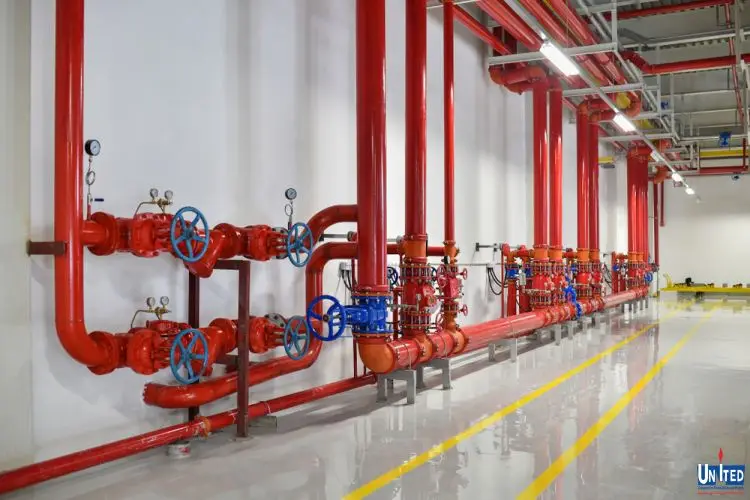
Fire Extinguisher Distribution NFPA
NFPA standards (National Fire Protection Association) are among the most prominent guidelines determining how fire extinguishers are distributed inside facilities to ensure maximum fire safety.
According to these standards, extinguisher locations must be determined based on the type of potential fire and its size in each area of the building. It is also required that extinguishers be in places close to sources of danger and easy to reach in emergencies.
The number and size of extinguishers must be proportionate to the total area of the building, so that the distance between extinguishers does not exceed 30 meters in open areas and 15 meters in narrow corridors.
Also, the type of extinguishers is selected based on the type of flammable materials, such as water extinguishers for solid material fires, and carbon dioxide or dry powder extinguishers for liquid or electrical fires. Compliance with these standards is essential to ensure effective protection against fires in buildings and facilities.
Supply and Installation of Fire Fighting Systems
The United Company is one of the best companies in the field of supplying and installing fire fighting systems, possessing long experience and high professionalism in providing comprehensive and integrated fire fighting solutions in all types of facilities.
The company is distinguished by providing the latest high-quality systems and devices that comply with international and local standards, and is committed to the highest standards of quality and safety in every project it executes through the fire fighting system installation and supply at the highest level of efficiency.
The United Company, the best fire network installation company in Egypt 2026, provides a variety of fire fighting systems, including automatic sprinkler systems, inert gas systems (such as FM200), smoke suppression systems, and early warning systems, making it a preferred choice for various sectors such as industrial, commercial, residential facilities, and government facilities.
The United Company relies on a specialized team of engineers and technicians well-trained in fire fighting system installation and supply in a professional manner that guarantees optimal performance in the event of any emergency. The company also provides periodic maintenance services for all fire fighting systems it installs, ensuring the readiness of the systems at all times.
Fire Systems Companies
The United Company, the best in the fire fighting system installation and supply market and the sole and exclusive agent for Emirati Watex in Egypt, is the ideal choice for you if you are looking for the best fire fighting systems, as the company offers the best equipment to protect facilities from fires, with commitment to the highest standards of quality and safety.
Thanks to its specialized team and long experience, the United Company offers integrated systems including extinguishers, automatic sprinkler systems, and gas systems, in addition to precise design, fire fighting system installation, and maintenance services.
The United Company guarantees you comprehensive protection using the latest technologies in the field of fire fighting, so you can always be assured of your safety and the safety of your facility. Contact us via phone numbers or our website with the largest fire fighting system installation and supply companies.
Frequently Asked Questions
- What is the best company for the supply and installation of fire fighting systems in Egypt?
The United Company (upcoegypt) is one of the leading companies in fire fighting system installation and supply, offering design, supply, installation, and maintenance services according to the NFPA code and Civil Defense requirements, and it is the exclusive agent of the Emirati company Watex. - What is the difference between FM200 gas and CO2 gas in automatic extinguishing systems?
FM200 and Novec are clean gases (Clean Agent), which extinguish fires without damaging devices or reducing the oxygen percentage, so they are used in server rooms, data centers, and offices. As for carbon dioxide ($CO_2$), it relies on reducing the oxygen percentage to extinguish the fire, so it is used in unoccupied areas like generator rooms, and its use is not recommended in occupied spaces to preserve the safety of individuals. - What is the approved distance for distributing fire extinguishers according to the NFPA 10 code?
According to the NFPA 10 standard, fire extinguishers are distributed based on the hazard level; the travel distance to Class A extinguishers should not exceed 23 meters, while the distance for Class B fires ranges between 9 and 15 meters according to the size of the extinguisher and the nature of the hazards. Correct placement is a core part of any commercial fire fighting system installation project.