American Fire Extinguishers: Types, Uses & Buying Guide
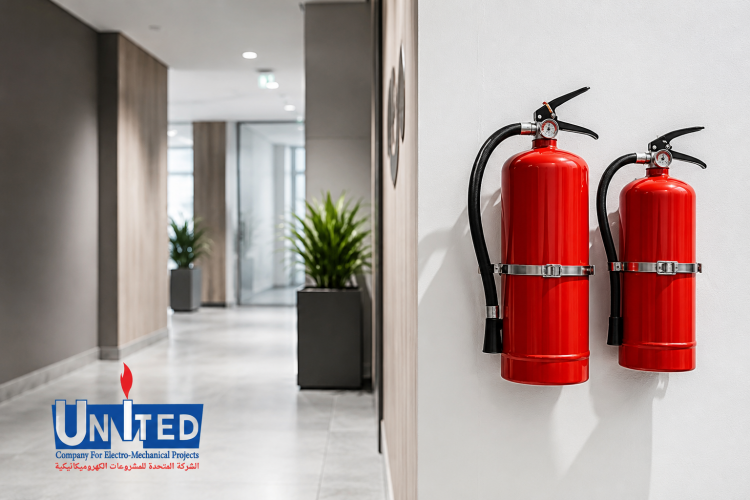
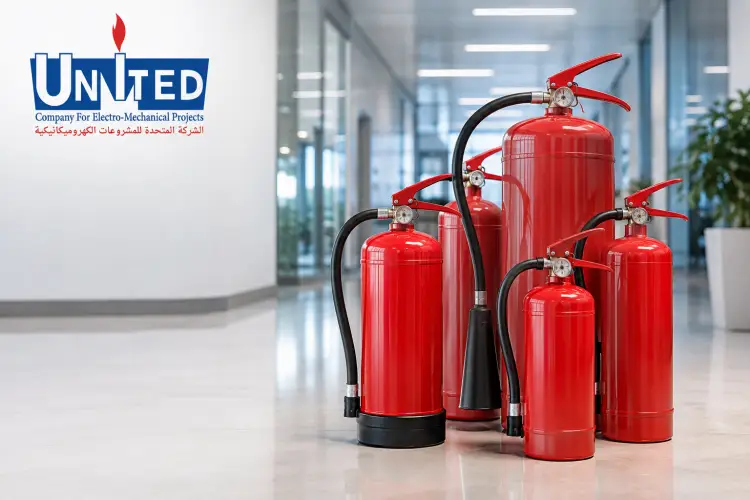
July 15, 2026Imagine a sudden fire breakout in a high-density industrial facility or a crowded commercial complex; every single second of delay or equipment failure translates directly into devastating structural damage and irreversible loss of life. When absolute reliability is the only acceptable baseline, procuring certified american fire extinguishers in Egypt emerges as the single most critical, high-performance safety decision an enterprise can make. These specialized systems are globally recognized for their impeccable engineering, unparalleled chemical composition, and rigid compliance with the world’s strictest safety protocols. Engineered to address a vast spectrum of fire hazards with unmatched execution speeds, these suppression units serve as the frontline defense across upscale residential properties, corporate headquarters, and high-risk manufacturing plants.
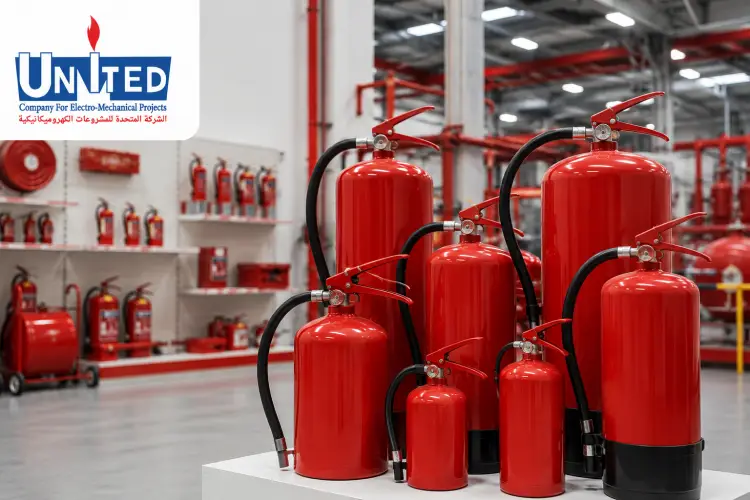
Available in multiple highly specialized configurations and comprehensive Fire extinguisher sizes in Kg, these top-tier systems ensure that both property assets and human lives remain perfectly shielded against accidental thermal events. In this comprehensive, deep-dive guide, we will analyze their mechanical advantages, explicit functional types, architectural integration protocols, and the strategic positioning of fire hydrant systems in modern safety infrastructure.
Understanding the 2-Line Fire Hydrant Cabinet System
While portable hazard mitigation relies heavily on localized deployment units, large-scale industrial defense structures demand deep, continuous water supplies. What exactly is a 2-Line Fire Hydrant Cabinet system? It is an advanced, heavy-duty structural fire suppression module meticulously configured to house two independent, high-pressure water lines (2 Line), complete with heavy-duty landing valves, standardized couplings, variable stream nozzles, and robust structural accessories required to establish an instantaneous, high-volume hydraulic flow during major thermal crises.
Positioned permanently inside multi-story commercial buildings, industrial zones, healthcare campuses, hotels, and large infrastructure complexes, this enclosure forms the core framework of fixed fire suppression systems. It enables rapid deployment by certified facility safety teams or municipal civilian defense forces to suppress rapidly growing structural blazes. Operating as a unified defensive system, these high-flow stations work flawlessly alongside premium american fire extinguishers that are internationally certified by Underwriters Laboratories (UL) and Factory Global Mutual (FM). For critical indoor rooms, clean data environments, and complex power control centers, these water systems are systematically reinforced by clean-agent total flooding frameworks, commonly known as American FM-200 clean agent gas fire suppression systems.
Rigid Engineering Specifications of Premium Fire Cabinets
The performance metrics of an industrial fire hydrant cabinet vary strictly based on the occupancy classification, architectural layout, and the hydraulic calculations of the specific facility's safety infrastructure. However, premium safety equipment must be manufactured according to precise structural standards to guarantee immediate deployment readiness under severe emergency conditions.
When investing in safety systems alongside your american fire extinguishers, the baseline engineering specifications for certified cabinets include:
- Structural Material: Fabricated from high-grade galvanized steel sheets or premium structural steel plates, featuring an electrostatically applied, weather-resistant, anti-corrosive powder coating that withstands intense thermal shifts and high humidity.
- Hose Dimensions & Composition: Configured with specialized internal fire hoses available in standard lengths of 20 or 30 meters, engineered to endure high bursting pressures and rugged friction.
- Internal Deployment Mechanism: Outfitted with an integrated, heavy-duty, fast-spooling hose reel or an organized flat-lay rack assembly, allowing seamless one-man operational deployment in seconds.
- Hydraulic Control Architecture: Equipped with a heavy-duty bronze landing valve and an ergonomic variable fog/straight-stream spray nozzle, granting operators precise control over hydraulic flow dynamics and water distribution geometry.
- Emergency Access Interface: Features a robust door assembly equipped with breakable tempered safety glass or shatterproof acrylic panels, ensuring instant accessibility during high-stress situations.
- Regulatory Compliance: Fully compliant with local Civil Defense standards, NFPA guidelines, and international testing criteria.
- Operational Lifespan: Designed for long-term operational readiness, keeping all internal mechanical elements structurally functional through standard periodic inspection cycles.
Pairing an expertly specified structural fire cabinet with premium, certified american fire extinguishers ensures a highly reliable safety matrix, significantly lowering structural vulnerability risks
learn more about : Portable fire extinguisher
 .
.
Anatomy and Essential Components of a Modern Fire Cabinet
A fire hydrant cabinet functions as a vital safety station, integrating multiple mechanical components that work together to deliver reliable water flow. When integrated alongside american fire extinguishers, it provides full-spectrum protection against both localized chemical flare-ups and large structural fires. The internal components consist of:
- The Cabinet Enclosure: A reinforced structural shell made of galvanized steel or brushed stainless steel that protects internal components from ambient moisture, physical impacts, and unauthorized tampering.
- The Fire Hose: A specialized, synthetic rubber-lined, textile-braided conduit designed to transport high-pressure water volumes directly to the fire zone without kinking or bursting.
- The Hose Reel Assembly: A central structural drum designed for smooth rotation, allowing the operator to pull out the hose quickly without tangling.
- The Landing Valve: A heavy-duty, manual gate or globe-style valve connected to the building's pressurized fire main, controlling the direct delivery of water into the hose.
- The Fire Nozzle: An adjustable discharge device that allows the operator to switch between a dense, high-impact straight stream for long-range penetration and a wide fog pattern for heat shielding.
- Interlocking Couplings: Precision-machined, quick-connect brass or aluminum couplings that connect the hose to valves and nozzles without leaking under high pressure.
- The Access Door: A secure door with clear signage and a fast-release latch or breakable window for easy operation during emergencies.
- Internal Mounting Brackets: Heavy-duty, anti-corrosive racks and hooks that keep all internal equipment organized for fast deployment.
Strategic Deployment Environments for 2-Line Hydrant Cabinets
The specialized 2-Line fire hydrant cabinet is essential for facilities that require an unbroken, high-volume water supply to handle serious fire hazards. Acting as a heavy-duty safety measure alongside portable american fire extinguishers used for initial fire control, these double-line systems are standard installations in:
- High-rise residential complexes and multi-family housing blocks.
- Acute care hospitals, specialized surgical centers, and massive medical campuses.
- Luxury resort complexes, high-occupancy hotels, and hospitality structures.
- Heavy industrial manufacturing complexes and petrochemical processing facilities.
- Logistics hubs, bulk distribution centers, and commercial warehouses.
- Multi-tiered shopping malls, hypermarkets, and integrated commercial centers.
- Educational institutions, university campuses, and public research centers.
- International airport terminals, train stations, and regional transport hubs.
By deploying these cabinets strategically, facilities ensure that their structural safety matches the high standard set by their portable american fire extinguishers.
Core Functional Advantages of the 2-Line Hydrant Configuration
The 2-Line configuration delivers exceptional hydraulic performance and high reliability, making it an essential asset for protecting large modern buildings. Unlike simple standalone tools, it offers key structural advantages:
- Dual Hose Redundancy: Houses two independent hoses, allowing fire teams to use one as a primary line and the second as a backup, or deploy both together to tackle multiple fire angles.
- High-Volume Fire Suppression: Delivers a continuous, high-volume water stream that controls large structural fires beyond the capacity of standard portable units.
- Industrial-Grade Build: Constructed from high-strength, anti-corrosive materials that prevent rust and degradation in harsh industrial environments.
- Optimized Ergonomics: Designed for intuitive, fast operation, helping users deploy the hose quickly under high-stress conditions.
- Simplified Maintenance Protocols: Features an open layout that allows field technicians to inspect, test, and maintain internal components easily.
- Versatile Form Factors: Available in recessed, semi-recessed, or surface-mounted designs to meet diverse architectural and aesthetic requirements.
Using these cabinets alongside american fire extinguishers establishes a multi-layered defense system capable of suppressing various fire classes.
Technical Criteria for Choosing a 2-Line Fire Hydrant System
Selecting the right fire hydrant cabinet is crucial for ensuring the overall reliability of a building's safety systems. While portable american fire extinguishers serve as the primary tool for early-stage fires, selecting a heavy-duty cabinet requires careful evaluation of key technical factors:
- Material Thickness and Coating Quality: Choose cabinets made from heavy-gauge galvanized steel or industrial stainless steel, treated with anti-corrosive finishes to ensure long-term durability.
- Physical Dimensions and Volumetric Capacity: Select cabinet dimensions that comfortably accommodate the required hose length, valve assemblies, and additional emergency tools.
- Hose and Component Pressure Ratings: Verify that the internal fire hose, couplings, landing valves, and spray nozzles are rated to handle high working pressures safely.
- Operational Ergonomics and Fast Access: Ensure the cabinet door opens wide and handles are intuitive, allowing quick access during critical emergencies.
- Hydraulic Network Compatibility: Confirm that all internal inlet sizes, thread styles, and connection couplings match the facility’s standing risers and local civil defense equipment.
- Maintenance Accessibility: Choose designs that allow easy testing, regular pressure checks, and straightforward component replacement by safety technicians.
By applying these rigorous criteria, procurement officers can secure safety infrastructure that perfectly complements their high-end american fire extinguishers.
learn more about : fm200 gas fire suppression system
Analytical Selection Framework for Fire Cabinet Optimization
To help engineering consultants, safety officers, and procurement managers choose the right system, the following matrix breaks down the essential factors for selecting fire cabinets:
|
Technical Selection Criteria |
Critical Engineering Considerations |
Compliance Requirements |
|
Facility Risk Profile |
Assess structural fuel loads, chemical hazards, spatial configurations, and occupancy levels to match the facility's risk type. |
NFPA 101 Life Safety Code / Civil Defense Regulations |
|
Cabinet Dimensions |
Match internal cabinet space with hose diameters, storage reels, total hose length, and architectural wall limits. |
Standard architectural integration specs |
|
Material and Build Quality |
Specify heavy-duty galvanized steel sheet metal or marine-grade stainless steel to resist environmental wear. |
ASTM Material Standards & Premium Finishes |
|
Hose Line Performance |
Check working pressure ratings, burst pressure limits, kink resistance, and overall hose flexibility under thermal stress. |
UL Listed & FM Approved components |
|
Regulatory Compliance |
Verify the entire assembly meets regional civil defense codes and international safety certifications. |
Full Civil Defense Product Certification |
Dimensional Classifications and Structural Varieties of Fire Cabinets
Fire cabinets are manufactured in diverse size categories to accommodate different hose lengths, component counts, and building risk profiles. When deploying a complete safety plan, choosing the correct cabinet size provides a reliable, high-capacity water source that complements portable american fire extinguishers.
The primary structural sizes include:
|
Cabinet Classification |
Primary Application Environments |
Mechanical Features & Layout Advantages |
|
Small-Scale Fire Cabinets |
Private residences, micro-office spaces, boutique commercial retail outlets, and small storage rooms. |
Compact, space-saving design; easily installed in tight areas; holds a single light-duty hose reel and basic accessories. |
|
Medium-Scale Fire Cabinets |
Educational institutions, healthcare facilities, standard office buildings, and mid-sized hotels. |
Expanded interior space; accommodates longer, higher-pressure hoses, heavy-duty valves, and auxiliary safety tools. |
|
Large-Scale Industrial Cabinets |
Heavy manufacturing plants, chemical storage facilities, multi-tier shopping centers, and major logistics hubs. |
Spacious multi-compartment design; houses dual high-capacity hoses and multiple large-scale tools for fast access during major emergencies. |
Comprehensive Typology of Commercial Fire Cabinets
Modern safety design utilizes several specialized fire cabinet types, each tailored to specific operational requirements and architectural styles:
- Standard Fire Hose Reel Cabinets: Feature a pre-connected, semi-rigid rubber hose mounted on a rotating internal drum, designed for fast, simple operation by building occupants during early-stage fires.
- Industrial Fire Hydrant Cabinets: Outfitted with high-strength, lay-flat synthetic hoses, heavy-duty landing valves, and large nozzles, built for professional firefighting teams to deliver high-volume water flow.
- Advanced 2-Line Fire Hydrant Cabinets: Feature dual hose lines and extended compartment space, offering high operational flexibility and water volume for high-risk industrial facilities.
- Recessed Indoor Fire Cabinets: Flush-mounted inside wall cavities to save floor space, maintain clean architectural sightlines, and protect corridors from obstructions.
- Surface-Mounted Outdoor Fire Cabinets: Mounted directly onto external walls or structural pillars, featuring heavy weatherproof seals for fast installation and straightforward servicing.
- Dual-Purpose Combination Cabinets: Feature an extended, multi-zone interior that houses both a full-length hose reel assembly and multiple high-capacity american fire extinguishers in a single centralized station.
learn more about : fire fighting system installation
Rigorous Maintenance and Inspection Protocols for 2-Line Systems
To guarantee that a 2-Line fire hydrant cabinet performs reliably during sudden thermal emergencies, facility managers must implement a strict program of preventative maintenance and regular testing. When managed alongside high-performance american fire extinguishers, these systems form a dependable, long-term safety shield for properties and occupants.
Essential maintenance workflows include:
- Structural Enclosure Inspection: Regularly examine the cabinet body, door hinges, and glass panels for signs of corrosion, structural warping, or operational wear.
- Hose Material Evaluation: Unspool the fire hoses periodically to check for material degradation, cracks, dry rot, or pressure leaks.
- Valve and Nozzle Testing: Cycle the landing valves and adjustable nozzles through their full range of motion to ensure smooth operation and clear water flow.
- Coupling and Gasket Check: Inspect all quick-connect interfaces, thread sections, and rubber seals to ensure tight, leak-free connections under high pressure.
- Debris Cleansing: Keep the cabinet interior clean and free of dust, moisture, or foreign objects that could hinder emergency access.
- Clear Access Maintenance: Ensure the area around the fire cabinet remains free of storage boxes, furniture, or equipment that could block operators during an emergency.
Evaluating Suitability for Heavy Industrial and Commercial Spaces
The 2-Line fire hydrant cabinet is highly suitable for large-scale industrial complexes and modern commercial properties. Its heavy-duty design provides an uninterrupted, high-pressure water supply that can control rapidly spreading structural fires before municipal support arrives. By offering dual-hose flexibility and ample room for specialized equipment, it meets the rigorous safety requirements of high-occupancy environments, complex floor plans, and facilities with high fuel loads. Combined with portable fire protection units such as premium american fire extinguishers, it forms a dependable safety foundation for modern enterprises.
Why upcoegypt is the Ultimate Fire Protection Partner
Choosing a reliable fire safety partner is essential for ensuring high system performance, regulatory compliance, and long-term property protection. upcoegypt is a leading provider of advanced fire suppression systems, delivering high-quality equipment that meets strict global standards and regional civil defense codes.
Key advantages of partnering with upcoegypt include:
- Authentic Global Brands: Authorized supplier of certified safety systems, including genuine Buckeye fire suppression units and top-tier equipment from leading Fire Extinguisher manufacturers in usa.
- Comprehensive Product Lineup: Offers a complete selection of premium safety tools, including highly effective carbon dioxide (CO2) gas units.
- Uncompromising Quality Controls: Every supplied system features durable materials and holds international safety certifications (UL & FM).
- Expert Technical Support: Dedicated engineering teams provide detailed consulting to design specialized safety systems tailored to your facility.
- Full-Service Integration: We deliver complete installation support, routine safety checks, and responsive client service via phone and WhatsApp.
- Excellent Cost Efficiency: Provides highly competitive pricing structures, helping clients optimize their safety budgets effectively.
- Proven Industry Expertise: Extensive experience delivering safety systems for large factories, hospitals, hospitality venues, and major commercial complexes.
Immediate Commercial Inventory Update: upcoegypt currently holds an extensive warehouse stock of genuine Buckeye kitchen fire suppression systems and high-grade american fire extinguishers in diverse Fire extinguisher sizes in Kg (such as 2 Kg, 4.5 Kg, 6 Kg, 9 Kg, and large wheeled units). Secure your corporate inventory allocation today by contacting our commercial sales division via our primary communications link at 01006135405.
Frequently Asked Questions (FAQ)
What are the primary structural classifications of fire cabinets?
Fire cabinets are classified by design and application, including standard manual hose reel cabinets, high-volume flat-hose hydrant cabinets, advanced 2-line safety stations, space-saving recessed units, weatherproof surface-mounted cabinets, and multi-zone combination units.
What criteria determine the optimal physical size of a fire cabinet?
The proper size depends on the required diameter and length of the fire hose, the size of the internal valves, the specific layout of the space, and the facility's overall hazard rating.
What is the core functional difference between single and double-line cabinets?
A single-line cabinet houses one fire hose for basic fire control, while a double-line cabinet (2-Line) accommodates two independent hoses, providing higher water flow and operational backup for high-risk buildings.
Where should fire cabinets be installed within a facility?
Cabinets must be placed in prominent, easily accessible locations, such as main building corridors, designated emergency exit paths, and near major building entryways, in full compliance with civil defense codes.
What are the standard internal components of a complete fire cabinet?
A fully equipped cabinet includes a reinforced protective enclosure, a high-pressure fire hose, a rotating hose reel, a heavy-duty landing valve, an adjustable spray nozzle, quick-connect couplings, and clear access doors.
How do Fire Hose Reels differ from Fire Hydrant Cabinets?
Fire Hose Reels use a semi-rigid rubber hose that building occupants can deploy quickly for early-stage fires. Fire Hydrant Cabinets feature heavy-duty flat-lay hoses designed for professional responders to deliver large volumes of water against major structural fires.
How do I select the right fire cabinet for my building?
The selection process should evaluate the specific facility type, spatial layout, fire risk levels, component material quality, and full compatibility with the building's pressurized water system.
Do fire cabinets require systematic, periodic maintenance checks?
Yes, regular maintenance is required to test valve performance, check hose integrity, verify coupling connections, and ensure the unit remains fully operational for emergencies.
Conclusion: Securing Your Enterprise with Premium Fire Protection
When selecting high-quality american fire extinguishers in Egypt that offer reliable performance and fair pricing, working with an established, authorized supplier is the first step in protecting your property assets.
Partner with upcoegypt , the recognized, authorized provider delivering high-performance fire protection solutions in Egypt and the sole agent for Watix UAE in Egypt. Contact our team today at 01006135405 to request a detailed technical quote, schedule a site assessment, or explore our advanced fire safety technologies.
- Corporate Directory: United Projects for Electromechanical Works (upcoegypt)
- Direct Hotline & WhatsApp Business Portal: 01006135405
- Service: Providing Premium Certified Fire Protection Systems Across Egypt.