Fire Hydrant: Types, Components, Uses, and Maintenance Guide
November 10, 2026When a fire suddenly breaks out, the first few seconds become a decisive factor in determining the extent of losses and the ability to control the flames before they spread. From here, the importance of a Fire hydrant emerges as one of the essential elements in fire protection systems and a first line of defense to ensure rapid intervention and fire containment, whether in major industrial facilities, commercial centers, or residential projects.
If you are seeking to secure your facility according to the highest safety and protection standards, we present to you in this article a comprehensive guide covering everything you need to know, starting from its concept and different types, passing through the factors affecting Fire hydrant cost, all the way to Civil Defense regulations that must be complied with to ensure the facility meets safety standards and passes inspection procedures.
Types of Fire Hydrants (A Comprehensive Comparison)
The types of fire protection valves vary according to climatic conditions and temperatures in the targeted area. The appropriate type must be selected to ensure operational efficiency and continuous water flow, while avoiding freezing inside the pipes or damage to system components. These units are primarily divided into two main types:
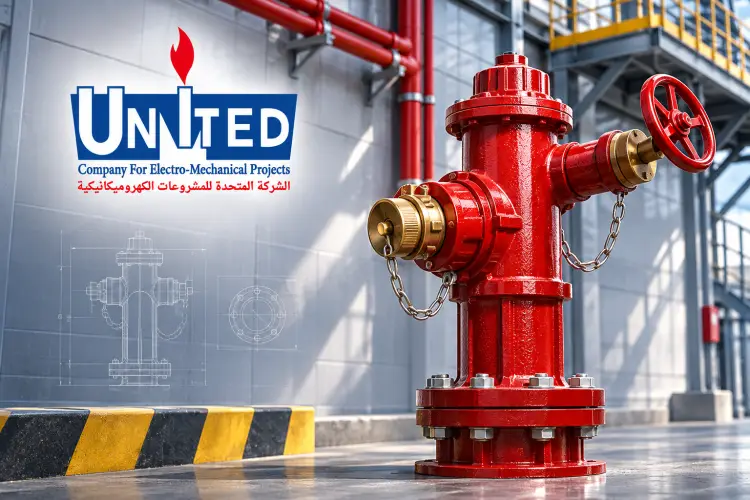
1. Dry Barrel Type
Used in extremely cold regions where temperatures drop below freezing point. It features its main valve located below ground level beneath the frost line.
- Operation Mechanism: The upper part remains empty of water and only fills when the main valve is opened.
- Drainage System: When the valve closes, an automatic drain valve empties the remaining water to prevent freezing and protect the device from damage.
Choosing the right fire protection solutions is essential for maintaining safety across different facilities. Learn more about Fire extinguisher company.
2. Wet Barrel Type
Suitable for areas with hot and moderate climates, such as Egypt and the Middle East, where the likelihood of water freezing is minimal.
- Operation Mechanism: The body remains constantly filled with water under network pressure, enabling immediate water flow upon operation.
- Control System: Each outlet features an independent Fire hydrant valve, allowing the operation of multiple outlets and connecting several hoses simultaneously.
The choice between a dry barrel and wet barrel type depends on the nature of the climate and expected temperatures at the project site, in addition to the fire protection network design and approved technical standards. In hot regions like Egypt, the wet type is usually suitable, whereas the dry type is preferred in areas exposed to low temperatures that could freeze water inside the network.
Technical Specifications and Standard Dimensions
The manufacturing and selection of these units must comply with international standards such as NFPA and approvals like UL and FM to guarantee operational efficiency and resistance to high water pressures. Key specifications include:
1. Pipe Diameters
- Main Inlet: Ranges between 4 and 6 inches, with 6 inches being a common size in industrial and commercial networks.
- Hose Outlets: Typically 2.5 inches in diameter.
- Pumper Outlet: Usually available in 4 or 4.5 inches.
2. Manufacturing Materials
- Outer Body: Made of Ductile Iron or Cast Iron.
- Internal Components: Corrosion-resistant materials such as bronze and stainless steel are used.
- External Coating: Epoxy coating is applied to protect the body from moisture, corrosion, and weather conditions.
3. Operating and Test Pressure (Pressure Ratings)
- Operating Pressure: Ranges in some models between 16 and 21 bar, depending on the design.
- Test Pressure: The unit undergoes hydrostatic tests to verify pressure endurance and ensure no leakage occurs, according to approved standards.
High-quality safety equipment plays an important role in protecting people and property. Explore our guide to 1000 gpm fire pump.
4. Connections and Outlets
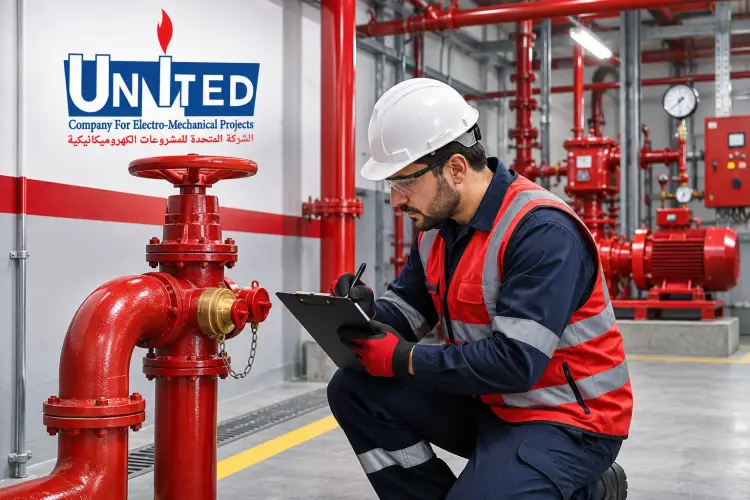
- Base Connection: Connects to the water network via flanged connections according to ANSI or DIN standards.
- Hose Outlets: Available with thread types such as NST / NH or BS 336.
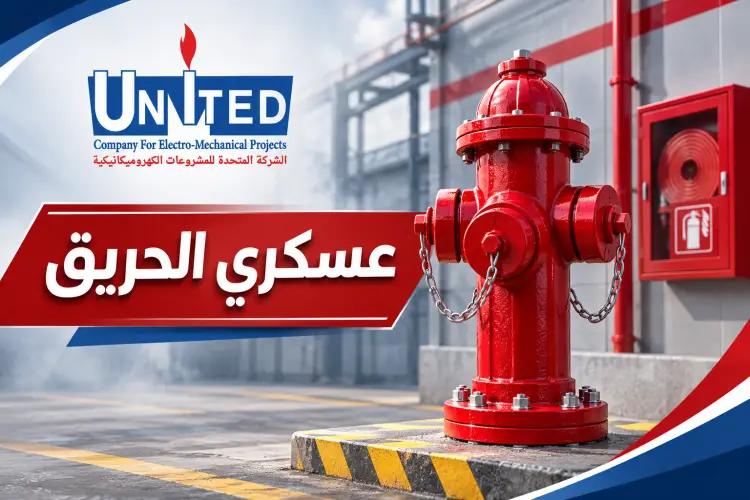
- Protective Caps: Secured to outlets with metal chains to protect them from dust and debris.
Note: Technical specifications vary according to the manufacturer and model; therefore, approval certificates and technical datasheets must be reviewed before final selection.
Civil Defense Regulations and NFPA Code for Installation
Compliance with Civil Defense regulations and National Fire Protection Association (NFPA) standards is a critical requirement when installing a complete Fire hydrant system to ensure easy accessibility and efficient operation during emergencies. Key requirements include:
- Spacing and Distribution: Distance between units typically ranges from 90 to 150 meters, and may decrease to 60–90 meters in high-hazard areas based on facility nature and engineering design.
- Installation Location and Elevation: The unit must be placed in an easily accessible location, clear of vehicle collision paths, keeping appropriate outlet height for hose connections. A clear Fire hydrant sign must be placed nearby to ensure high visibility for emergency response teams.
- Obstruction Removal: Sufficient clearance must be maintained around the unit, prohibiting parked cars, trees, or equipment that could hinder firefighting crews from accessing connections.
- Equipment Housing: In specific installations where accessories or valves require dedicated enclosures, a robust Fire Hydrant Box is integrated to shield key components from weather elements and tampering.
Color Coding by Flow Rate (NFPA 291)
The colors of outlet caps indicate the available water flow rate, helping firefighters quickly assess the capacity of the water supply:
|
Cap Color |
Water Flow Rate |
|
Light Blue |
1500 GPM or greater |
|
Green |
1000–1499 GPM |
|
Orange |
500–999 GPM |
|
Red |
Below 500 GPM |
The locally approved code and facility engineering drawings must be reviewed prior to establishing installation distances or approving color coding, as specific details may vary depending on project requirements and governing authorities.
Regular inspection and maintenance help ensure the reliability and efficiency of fire safety installations. Read more about Price of a complete fire box.
Installation Steps and Periodic Maintenance
To guarantee the readiness of the unit during emergencies and maintain efficient water flow, proper engineering installation practices and routine inspection schedules must be followed to prevent leaks and network pressure drops.
1. Installation Steps
Installation takes place under engineering supervision and according to Civil Defense plans, including:
- Base Preparation: Excavating the site and placing a gravel bed beneath the unit to facilitate drainage, particularly for dry barrel types. Consult the technical Fire hydrant diagram for exact depth and gravel layer dimensions.
- Network Connection: Connecting the unit to the fire main line using flanged connections and leak-proof gaskets.
- Isolation Valve Installation: Installing a gate valve to facilitate isolating the unit from the network during maintenance.
- Alignment and Mounting: Ensuring vertical alignment and structural stability of the base and fittings.
2. Routine Maintenance and Readiness Testing
Regular maintenance and inspection include:
- Visual Inspection: Checking the body, outlets, and caps for rust, damage, or obstructions.
- Flushing Test: Verifying water flow and clearing sediment from inside the piping.
- Component Lubrication: Lubricating moving parts to ensure smooth valve opening and closing. (While fitness enthusiasts often perform the Fire hydrants workout movement in gym routines, maintaining actual fire protection hardware requires mechanical precision and proper lubrication of physical valves).
- Leakage and Pressure Testing: Ensuring tight connections and maintaining line pressure.
Note: Inspection and testing schedules are determined according to approved codes, such as NFPA 25, manufacturer instructions, and the nature of the fire protection network.
Following proper fire safety guidelines helps reduce risks and improve protection in commercial and industrial facilities. Discover more about fire fighting companies.

Pricing Factors in Egypt and Saudi Arabia
The price of a Fire hydrant varies based on technical specifications and project requirements. There is no fixed price for all types, as overall costs depend on several key factors:
Key Factors Affecting Pricing:
- International Approvals (UL/FM): Units certified with these approvals carry higher prices due to rigorous quality and pressure testing.
- Origin and Brand: Prices vary depending on the manufacturer, whether American, European, UAE-made like WATEX, or local brands.
- Size and Outlets: Prices increase with larger main inlet diameters (e.g., 6 inches compared to 4 inches) and the number of outlets.
- Hydrant Type: Costs differ between dry barrel and wet barrel designs due to differences in internal mechanics.
- Materials: High-grade ductile iron, epoxy coating, and corrosion-resistant alloy internal valves directly impact the total cost.
Contact the engineers at UPCO Egypt (United Electro-Mechanical Projects Company) to receive a detailed price quotation and technical specification sheet tailored to your facility's needs.
Conclusion
Selecting a certified unit compliant with UL/FM standards and Civil Defense guidelines is an essential step toward protecting lives and property, ensuring efficient water flow, and maintaining system readiness during emergencies.
UPCO Egypt provides comprehensive supply, installation, engineering consultancy, and routine maintenance services for fire protection equipment to guarantee the highest safety standards for your project.
Frequently Asked Questions (FAQs)
What is the difference between a landing valve and a fire hydrant?
The main difference lies in the installation location and intended application:
Fire Hydrant: An external water supply point connected to the main network, designed to provide high-volume water supply for Civil Defense fire trucks and pumps.
Landing Valve / Hose Reel: An internal connection point located inside buildings, used for connecting fire hoses to combat fires in their early stages.
Can these units be used for non-firefighting purposes?
Using them for non-emergency purposes is strictly prohibited except for authorized maintenance operations, such as line flushing by municipal authorities. Unauthorized usage carries several risks:
Potential water hammer causing damage to pipes and valves.
Risk of drinking water network contamination due to back-siphonage.
Premature wear and damage to internal valves, compromising emergency readiness.
What is the standard water pressure for these systems?
Standard pressure values vary based on network design and approved codes. Common reference values include:
Static Pressure: Typically ranges between 4 and 12 bar.
Residual Pressure during Flow: 1.4 bar (20 PSI) serves as a common minimum reference baseline.
Hydrostatic Test Pressure: Can reach up to 32 bar depending on manufacturer specifications.
Note: Always consult manufacturer datasheets and approved codes, such as NFPA 291, to determine accurate operating and test pressures for your specific system.