Fire Smoke Detector: Types, Benefits & Installation Guide
July 15, 2026Every single second counts when a fire breaks out. Before towering flames consume a room, a silent threat fills the air: toxic smoke. In fact, most fire-related casualties are caused by smoke inhalation rather than actual burns. This is why having a reliable fire smoke detector is not just an optional safety accessory—it is a lifesaving necessity for every home, office, and industrial facility.
A quality safety device acts as a vigilant, 24/7 guardian, identifying invisible combustion particles in the air and triggering an early warning before disaster strikes. In this comprehensive guide, the safety experts at UPCO (United Projects for Electromechanical Projects)—also known online as upcoegypt—break down everything you need to know about how this equipment works, its various types, installation best practices, and how to choose the ideal unit to secure your property.
What is a Fire Smoke Detector?
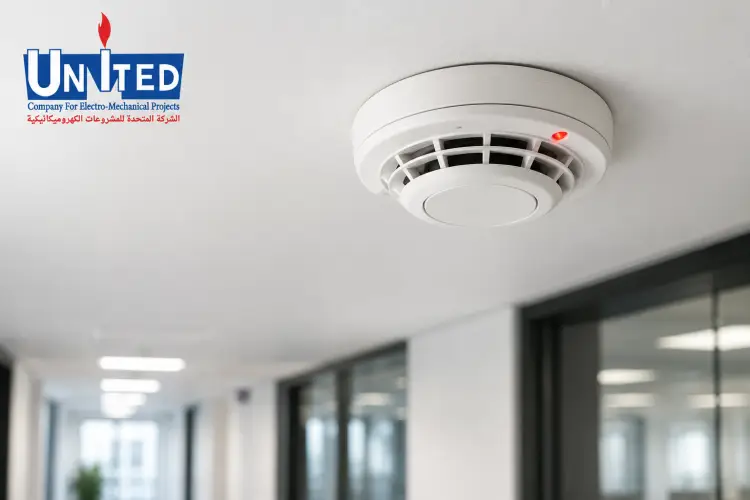
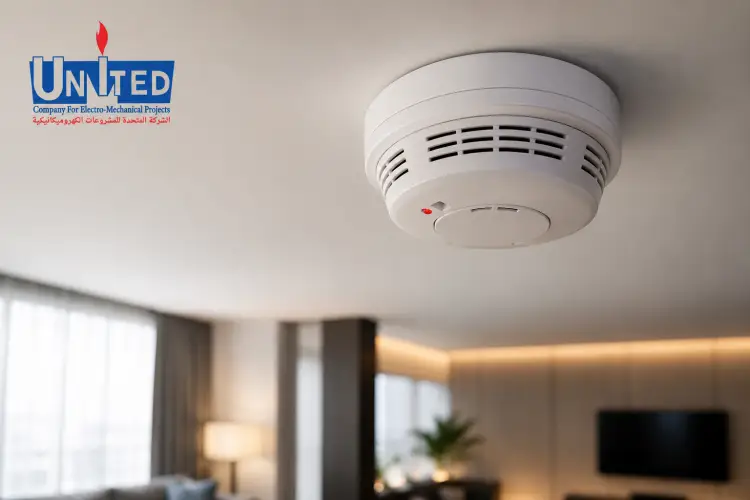
A fire smoke detector is an electronic safety device engineered to identify the earliest presence of smoke generated by combustion. Once the smoke detector sensor detects smoke particles floating in the air, it immediately translates this physical change into an action. This action is either sending a digital signal to a centralized fire alarm system or activating a loud, built-in acoustic siren to alert occupants to evacuate.
Often referred to simply as a fire sensor, this compact device is the cornerstone of any modern building safety protocol. By providing a crucial early warning, it gives occupants the precious minutes needed to safely evacuate the premises and allows emergency teams to contain the fire before it escalates into a catastrophic event.
How Does a Fire Smoke Detector Work?
The primary job of a fire smoke detector supplied by UPCO is to catch combustion particles long before open flames spread throughout the property. This rapid-detection sequence unfolds through a series of precise, automated stages:
- Particle Entry: As a fire begins, warm air carries microscopic smoke particles upward toward the ceiling. These particles enter the internal sensing chamber.
- Analysis and Detection: Depending on the specific technology used—whether photoelectric (optical) or ionization—the internal smoke detector sensor analyzes the air inside the chamber to verify if the obstruction or ionization change is caused by actual smoke or just natural ambient shifts.
- Signal Transmission: Once the smoke detector sensor confirms the presence of fire-related smoke, the device immediately sends an electrical signal to the main control panel of the fire alarm system or triggers its own internal siren.
- Alarm Activation: The central control panel processes this incoming signal and instantly activates master alarm bells, strobe lights, and sirens across the entire building.
- Integrated Safety Protocols: In modern, automated facilities managed by upcoegypt, the activation of a fire smoke detector can trigger integrated life-safety systems. This includes automatically shutting down HVAC ventilation systems to prevent smoke from traveling to other floors, activating sprinkler systems, and releasing magnetic emergency exit doors.
- First-Response Control: Thanks to this immediate detection, local occupants or professional firefighting units can quickly handle the situation while the fire is still in its manageable, early stages.
learn more about : american fire extinguishers
Types of Smoke Detectors and Their Applications
Choosing the right type of device is critical, as different environments require different sensing technologies to maximize safety and eliminate false alarms.
|
Detector Type |
How It Works |
Ideal Applications |
|
Photoelectric Smoke Detector |
Uses a light beam inside the chamber. When smoke enters, it scatters the light onto a sensor, triggering the alarm. |
Best for smoldering, slow-burning fires. Highly recommended for homes, hotels, offices, hospitals, and schools. |
|
Ionization Smoke Detector |
Uses a tiny amount of radioactive material to ionize the air, creating a constant current. Smoke disrupts this current, triggering the alarm. |
Best for fast-flaming, rapid-burning fires. Used in commercial kitchens, industrial plants, and warehouses. |
|
Multi-Sensor Smoke Detector |
Combines multiple technologies (such as optical, thermal, or carbon monoxide sensors) to analyze threats and eliminate false alarms. |
Data centers, complex commercial centers, administrative towers, and modern medical clinics. |
|
Beam Smoke Detector |
Projects a continuous light/laser beam across a large space to a receiver. It triggers an alarm when the beam is partially blocked by smoke. |
High-ceiling areas like warehouses, manufacturing plants, exhibition halls, and spacious places of worship. |
|
HST Smoke Detector |
A highly responsive, high-efficiency sensor designed to integrate seamlessly with various conventional and addressable central systems. |
Residential compounds, commercial malls, administrative buildings, and light industrial facilities. |
Key Criteria for Choosing the Right Fire Smoke Detector
Selecting the right device should never be based solely on finding the cheapest Smoke Detector price. Ensuring the reliability of your safety network requires evaluating several crucial technical factors:
- Evaluate the Environment: Match the sensor type with the potential fire risks of the specific area. For example, residential spaces benefit most from photoelectric sensors, while heavy industrial zones with rapid-fire hazards might require specialized ionization or beam detectors.
- System Integration Compatibility: If you are installing a centralized network, ensure the fire smoke detector you select is fully compatible with the brand and communication protocol of your existing fire alarm system control panel.
- Look for International Certifications: Never compromise on quality. Only purchase detectors that carry globally recognized testing and safety certifications, such as UL (Underwriters Laboratories), EN54 (European Standards), or LPCB (Loss Prevention Certification Board).
- Ease of Maintenance and Cleaning: Dust and dirt are the primary causes of false alarms. Opt for detectors designed with accessible sensing chambers that allow for easy periodic cleaning and routine testing by maintenance technicians.
learn more about : fire extinguisher price 6kg
Recommended Installation Locations
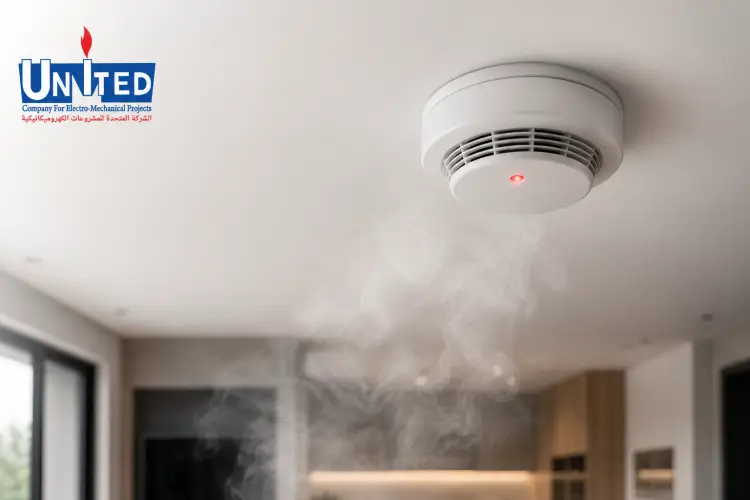
To ensure your safety devices perform optimally, strategic placement is absolutely essential. Smoke naturally rises and spreads along ceilings, meaning detectors must be positioned correctly to catch it early:
- Along main hallways, corridors, and designated emergency escape routes.
- Inside all bedrooms and main living spaces.
- Inside corporate offices, meeting rooms, and administrative hubs.
- Throughout patient rooms and corridors in hospitals, and classrooms in schools.
- Inside storage facilities, manufacturing zones, and logistics warehouses.
- Throughout public areas in hotels and shopping malls.
Coverage Area Guidelines
How many detectors do you actually need? The total coverage area of a single unit depends on ceiling height, building design, local civil defense codes, and international safety standards such as NFPA 72:
- Point (Spot) Detectors: Under standard conditions with flat ceilings, a single point fire smoke detector can reliably cover an area of 80 to 100 square meters.
- Beam Detectors: Designed for cavernous spaces, a beam-style device can cover linear distances of up to 100 meters between the transmitter and receiver unit.
Proper Maintenance and Testing Procedures
An unmaintained safety device is a major hazard. Regular testing prevents a smoke detector sensor from losing sensitivity due to environmental build-up:
1.Conduct Periodic Testing:Weekly/Monthly.
Press and hold the physical test button on the face of the detector to verify the internal circuitry, battery strength, and siren function.
2.Perform Regular Cleaning:Every 6 Months.
Gently vacuum around the exterior vents of the detector or use canned compressed air to clear away dust, cobwebs, and airborne fibers.
3.Inspect Electrical Connections:Annually.
For hardwired systems connected to a central fire alarm system, have an electromechanical technician inspect the wiring integrity and voltage levels.
4.Replace Batteries and Units:As Needed.
Change backup batteries once a year (if applicable), and completely replace the entire device unit once it reaches its 10-year service life.
Smoke Detectors vs. Heat Detectors: What is the Difference?
Understanding the difference between these two devices prevents costly system design mistakes:
- Detection Mechanism: A fire smoke detector is designed to catch the very first microscopic particles of smoke in the air, making it incredibly fast and ideal for early-stage warnings. On the other hand, a heat detector triggers only after a fire has already grown large enough to cause a rapid spike in temperature.
- Application Differences: Smoke detectors are the standard choice for homes, offices, hotels, and classrooms where early evacuation time is the top priority. Heat detectors are reserved for kitchens, garages, and dusty industrial spaces where cooking vapors, steam, car exhaust, or dust would cause a standard sensor to trigger constant false alarms.
learn more about : Automatic extinguishing systems
Why Apollo Detectors are the Professional Choice
When it comes to high-end reliability, the Apollo fire smoke detector is globally recognized as an industry benchmark. Engineers and safety consultants consistently specify Apollo devices for commercial and industrial projects due to several key advantages:
- Advanced False Alarm Rejection: Apollo uses highly sophisticated algorithms to distinguish between actual smoke and common environmental pollutants.
- Seamless Central Integration: They are engineered for outstanding compatibility with a wide range of addressable and conventional control panels.
- Exceptional Durability: Boasting an extended operational lifespan, low current draw, and straightforward maintenance protocols.
- Compliance: Fully certified to international standards (UL, LPCB, EN54), making them the ideal choice for high-occupancy facilities like airports, hotels, and major medical centers.
Sourcing and Pricing: Getting the Best Smoke Detector Egypt Deals
When planning a commercial safety layout, finding the right Smoke Detector price requires looking at the big picture. The final cost of your safety network depends on:
- The type of technology (Conventional vs. Addressable)
- Brand specifications (such as Apollo)
- Total quantity of devices required for the project layout
- Professional installation, testing, commissioning, and system integration
To get the most accurate Smoke Detector price and secure genuine, certified hardware, you should always partner with an authorized, established electromechanical contractor in the region. Additionally, complete system designs often require matching these detectors with specialized equipment, which is why many commercial clients also inquire about the Smoke Detector egypt market rates for central panels, such as the widely trusted THORN fire alarm system control panel, to build a fully integrated, highly reliable safety grid.
Frequently Asked Questions (FAQ)
What is a fire smoke detector?
It is an electronic safety device designed to spot combustion particles in the air early on, triggering local sirens or sending a signal to a central control panel to warn occupants.
How does a smoke detector sensor work?
It constantly monitors the air chamber using photoelectric or ionization technology. If smoke enters the chamber and breaks the light path or alters the electrical current, the alarm is triggered.
Can a safety sensor function without a central panel?
Yes, standalone battery-powered detectors operate completely independently and feature their own built-in sirens. However, commercial and industrial properties require system-connected detectors that tie back to a central control panel.
When should I replace my safety detectors?
Most manufacturers recommend replacing the entire unit every 10 years, or immediately if the device fails its routine diagnostics or suffers physical damage.
What is the best location to mount a detector?
They should be mounted flat on the ceiling (or on a wall 10–30 cm below the ceiling), centered in corridors, bedrooms, and offices, away from direct draft areas like air conditioning vents.
Partner with UPCO: Your Trusted Fire Protection Leader in Egypt
Securing your facility against fire hazards requires certified equipment, precise engineering, and flawless installation. At UPCO (United Projects for Electromechanical Projects), we are proud to be the sole and exclusive agent for the globally renowned WATEX (UAE) brand in Egypt.
Whether you need to procure premium detectors, design a comprehensive fire alarm system, or install high-efficiency firefighting pumps, our expert engineering team delivers fully compliant, internationally certified safety solutions tailored to your project’s needs.
Don't leave your safety to chance. Contact the upcoegypt team today to discuss your project requirements, get customized quotes, and secure the highest level of protection for your property.
Direct Inquiry Hotlines: 01006135405