Fire Alarm System Maintenance for Fire Protection and Safety
September 8, 2026Fire alarm systems are among the most vital tools for protecting lives, property, and assets within industrial facilities, commercial buildings, and corporate institutions. However, merely installing a fire alarm network is insufficient to guarantee operational readiness. Neglecting routine inspection and scheduled servicing leads to sudden system failures, unaddressed trouble faults, or frequent false alarms. These disruptions interrupt business operations and degrade occupant trust during actual emergency evacuations.
Regular Fire Alarm System Maintenance ensures that smoke and heat detectors retain optimal sensitivity, loop wiring remains fully intact, and the main control panel responds correctly during a crisis. Early fault detection eliminates spurious alarms caused by dust accumulation, environmental interference, or component fatigue.
In this guide, upcoegypt details the fundamental maintenance protocols, technical root causes of false alarms, preventive schedules, and civil defense compliance criteria necessary to maintain high safety standards across your facility.
Core Fire Alarm System Components and Inspection Protocols
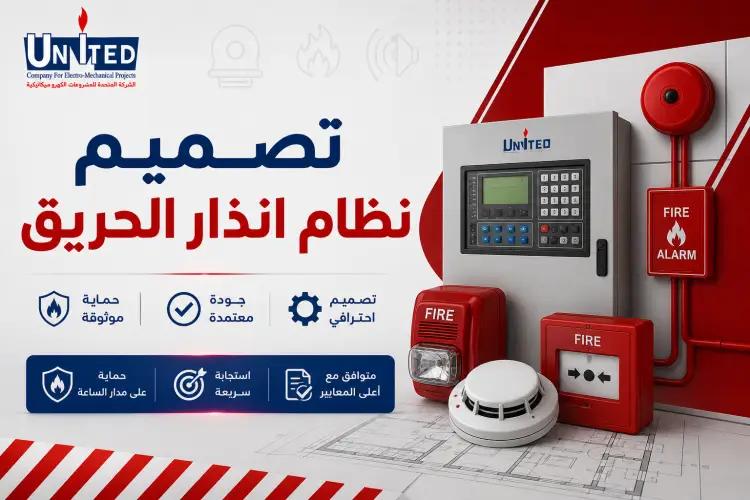
A complete fire detection network relies on interconnected devices working simultaneously to detect thermal or combustion byproducts and notify building occupants. To ensure uninterrupted operation, comprehensive Fire Alarm System Maintenance must be performed on every component in accordance with engineering codes and manufacturer guidelines.
1. Fire Alarm Control Panel (FACP) and Loop Wiring
The FACP functions as the brain of the system, receiving inputs from initiating devices and commanding output notification appliances. Inspection procedures include:
Power Supply Verification: Inspecting primary AC power stability, secondary battery backup charging voltage, and battery discharge performance during simulated mains failures.
Fault Indicator Audits: Clearing system trouble messages (such as ground faults, open loops, or communication errors) on the panel interface.
Cable and Loop Integrity: Checking terminal block torque, inspecting wire insulation, and testing SLC (Signaling Line Circuit) loops to ensure uncorrupted signal transmission.
2. Smoke and Heat Detector Servicing
Initiating devices form the first line of defense in early fire detection. Maintaining clean, properly calibrated sensors requires:
Sensor Cleaning: Removing airborne dust, cobwebs, and particulate matter using specialized vacuum and blowing equipment to prevent optical chamber contamination.
Functional Response Testing: Applying calibrated aerosol smoke or controlled heating tools to verify signal transmission to the FACP.
Sensitivity Calibration Checks: Ensuring detectors operate within UL/NFPA specified sensitivity thresholds to avoid delayed activation or nuisance trips.
3. Notification Appliance Maintenance
Audible and visual signaling devices—including bells, electronic horns, sirens, and strobe lights—alert building occupants during emergency evacuations. Key procedures during Fire Alarm System Maintenance involve:
Sound Level Decibel Testing: Measuring sound pressure output across closed offices, mechanical rooms, and high-noise production areas to confirm audibility over ambient noise.
Strobe Light Verification: Testing visual flash synchronization and intensity to ensure clear visibility for hearing-impaired occupants.
Emergency Interface Interlocks: Verifying seamless integration with building management systems (BMS), HVAC duct dampers, elevator recall loops, and access control door releases.
Essential Fire Alarm System Components Checklist
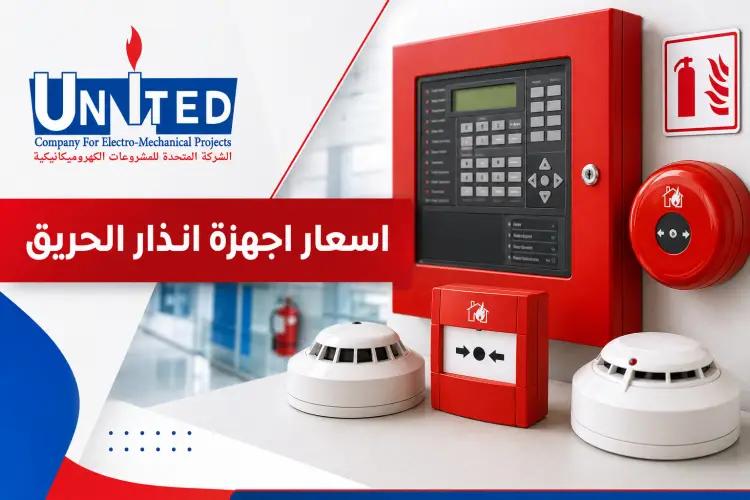
Understanding the main fire alarm system components helps facility managers track maintenance requirements effectively:
|
System Category |
Key Fire Alarm System Components |
Primary Inspection Focus |
|
Control & Power |
Main Panel (FACP), Annunciators, Backup Batteries |
AC/DC voltage stability, ground fault detection, loop communications |
|
Initiating Devices |
Optical Smoke Detectors, Thermal Heat Detectors, Manual Call Points (MCP) |
Chamber cleanliness, addressable polling response, glass/element integrity |
|
Notification Devices |
Alarm Bells, Electronic Horns, Xenon/LED Strobes |
Decibel output levels, visual flash synchronization, emergency interlocks |
|
Auxiliary Interfaces |
Relay Modules, Isolation Modules, Monitor Modules |
HVAC fan shutdown, fire door release, elevator recall, fire pump signaling |
Recommended Fire Alarm System Maintenance Schedule
Establishing a structured preventive maintenance routine minimizes unexpected downtime and ensures high system availability.
|
Servicing Frequency |
Primary Inspection Procedures |
Core Maintenance Objective |
|
Daily Visual Audit |
• Inspect FACP display for green "Normal" status LED. • Confirm zero active "Trouble", "Fault", or "Disable" indicators. |
Ensure immediate operational readiness and spot visible fault conditions instantly. |
|
Monthly Preventive Inspection |
• Inspect backup battery terminal connections and charge voltage. • Test sample initiating devices and clean exposed sensor heads. • Perform functional tests on audible and visual notification devices. |
Identify early component degradation and wiring issues before total system failure occurs. |
|
Annual Comprehensive Overhaul |
• Clean, recalibrate, and functional-test 100% of field detectors. • Perform battery load-capacity discharge testing under full load. • Conduct end-to-end loop impedance, insulation, and continuity testing. |
Validate overall system performance, statutory code compliance, and lifetime endurance. |
Maintaining an updated Fire Alarm System Maintenance logbook is mandatory for tracking corrective repairs, tracking recurring component failures, and proving compliance during official Civil Defense inspections or insurance audits.
Mitigating Technical Causes of Nuisance False Alarms
Spurious alarms disrupt business operations, trigger unnecessary emergency responses, and lead to "alarm fatigue"—a condition where occupants ignore actual warning signals due to frequent false activations.
Common Causes of False Alarms
Heavy dust and airborne particulate accumulation inside optical sensing chambers.
High ambient humidity, steam leakage, or condensation in damp environments.
Insect intrusion into detector sensing chambers.
Voltage fluctuations, transient surges, or electromagnetic interference (EMI) from nearby industrial machinery.
Aging detection elements operating past their recommended service life.
Technical Corrective Actions
Environmental Matching: Replace standard optical sensors with thermal or multi-criteria detectors in dusty or humid zones.
Routine Sensor Cleaning: Perform scheduled cleaning using specialized suction tools during routine Fire Alarm System Maintenance.
Alarm Verification Programming: Enable panel-level alarm verification delays (where permitted by code) to filter out transient smoke bursts or steam spikes.
Electrical Shielding Checks: Verify proper cable shielding and earthing connections to eliminate EMI and ground loop faults.
Civil Defense Compliance and Technical Standards
Local Civil Defense authorities and international standards (such as NFPA 72 and local building codes) enforce strict rules regarding fire life-safety maintenance:
Certified Service Contracts: Facilities must maintain a valid service contract with an accredited life-safety contractor like upcoegypt.
Documented Inspection Logs: Detailed records containing inspection dates, device counts, test outcomes, replaced parts, and technician signatures must be kept on-site in a dedicated logbook.
No Unauthorized Disabling: Disabling zones or detectors to permanently bypass trouble faults is strictly prohibited; underlying technical issues must be repaired promptly.
Standard-Compliant Replacement Parts: All replacement sensors, modules, and batteries must match original equipment manufacturer (OEM) specifications and hold approved laboratory listings (UL/FM).
Specialized Diagnostic Tools Used in Professional Servicing
Executing precise, non-destructive Fire Alarm System Maintenance requires engineering-grade diagnostic tools:
Aerosol Smoke & Thermal Dispensers: Telescopic test poles with specialized canisters to deliver controlled smoke or heat directly to high-ceiling detectors.
Digital Multimeters & Insulation Testers (Megger): For measuring loop resistance, supply voltage, ground leakage, and wire insulation integrity.
Battery Load Testers: To verify that sealed lead-acid backup batteries can support full alarm loads for specified emergency run-times.
Addressable Panel Diagnostic Software: Interfaces with intelligent FACPs to pull real-time analog drift values, dirty detector reports, and historical event logs.
Calibrated Sound Level Meters: Measures notification horn decibel levels across occupied building zones to ensure code-compliant audibility.
Key Factors Influencing Fire Alarm System Maintenance Costs
Maintenance agreement pricing varies depending on facility layout and technical complexity:
System Architecture: Addressable systems offer precise point-by-point diagnostics but require specialized programming tools compared to basic conventional networks. Advanced early-warning aspirated systems (e.g., VESDA) require specialized pipe flushing and filter servicing.
Device Count and Facility Size: Larger facilities with hundreds of field devices require more labor hours for individual cleaning and functional testing.
Accessibility and Height Constraints: Detectors mounted in high-bay warehouses, factory ceilings, or hazardous locations require scaffolding or aerial lifts, affecting labor costs.
Service Level Agreement (SLA): Comprehensive contracts covering 24/7 emergency response, dedicated spare parts stock, and rapid repair windows carry different commercial structures than standard preventive inspection contracts.
upcoegypt Professional Life-Safety Services
upcoegypt provides complete, end-to-end fire detection and protection engineering services tailored to commercial, industrial, and institutional properties:
Preventive & Corrective Maintenance: Scheduled inspection visits, system cleaning, battery replacements, and rapid fault troubleshooting.
Emergency Repair & Spare Parts: 24/7 technical support, original spare parts distribution, and emergency call-out response.
System Integration Audits: Full functional testing of fire alarm interlocks with HVAC units, smoke evacuation fans, access control doors, and automatic fire suppression networks.
Compliance Certification: Delivering official technical reports and maintaining compliant logbooks for Civil Defense inspections.
Partnering with upcoegypt ensures that your life-safety infrastructure operates reliably, protects occupants, and complies with all mandatory fire codes.
Contact the engineering sales division at upcoegypt to schedule a comprehensive site survey and request a tailored Fire Alarm System Maintenance proposal for your facility.
Frequently Asked Questions (FAQs)
What causes ground faults on a fire alarm control panel? Ground faults occur when an electrical conductor comes into contact with an earthed metal surface, junction box, or conduit. This is typically caused by damaged wire insulation, moisture ingress inside outdoor modules, or pinched cables during construction.
How does conventional maintenance differ from addressable system maintenance? In conventional systems, fault signals indicate an entire zone, requiring technicians to manually trace wiring and test every device on that circuit. In addressable systems, the panel identifies the exact device ID and physical location, allowing technicians to target specific sensors for cleaning or repair quickly.
How often should fire alarm backup batteries be replaced? Sealed lead-acid backup batteries should undergo load testing during annual Fire Alarm System Maintenance and are generally replaced every 3 to 5 years, or sooner if they fail capacity discharge tests under load.