Fire Alarm Siren: Types, Features and Installation Tips 2026
November 16, 2026A fire alarm siren serves as the first line of defense to alert occupants and evacuate buildings rapidly, contributing significantly to saving lives and minimizing losses during critical moments. At UPCO Egypt, we provide an integrated range of locally and internationally certified warning devices in various types—whether conventional, addressable, or combined with a strobe. We comply strictly with civil defense regulations and international accreditations such as UL/FM, ensuring we meet the needs of major projects with required quantities at competitive prices tailored to the Egyptian market.
Types of Fire Alarm Devices (How to Choose the Best for Your Project?)
Choosing the appropriate alerting system is an essential step to ensure rapid response in the event of a fire. Each facility's needs vary according to its activity, area, and ambient noise levels. Therefore, UPCO Egypt offers a comprehensive range of certified alerting units compliant with international standards to help you select the most suitable solution that achieves the highest levels of safety and operational efficiency at the best possible cost.
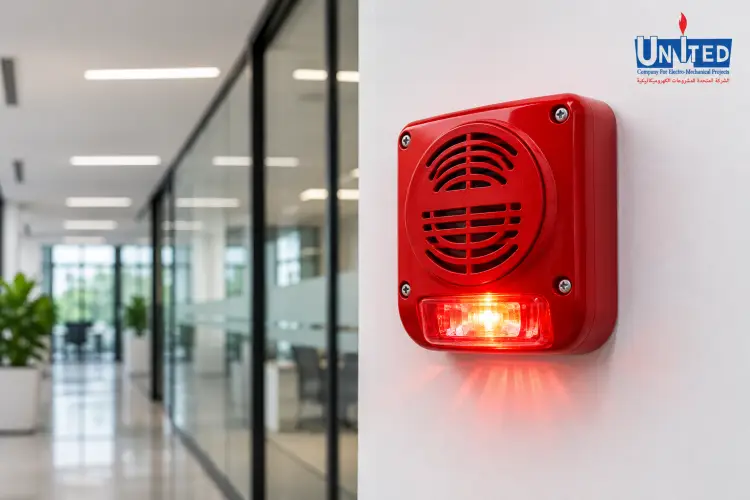
1. Horn / Sounder (Audio-Only Warning Unit)
This unit emits high-pitched acoustic tones—distinct from a standard smoke alarm sound—to ensure everyone is alerted immediately upon fire detection. It is a practical and economical choice for administrative offices, residential buildings, and enclosed spaces with low noise levels that do not require an additional visual alert device.
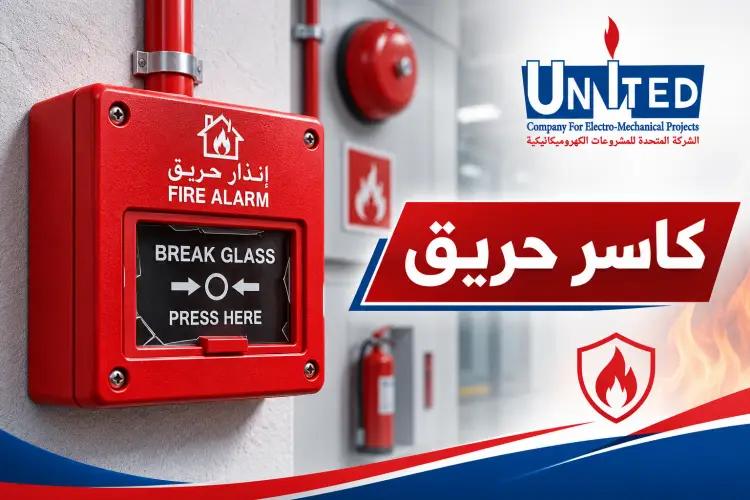
For more useful information and practical guidance, explore our article on break glass fire alarm to discover additional details.
2. Horn Strobe (Warning Unit with Visual Flash)
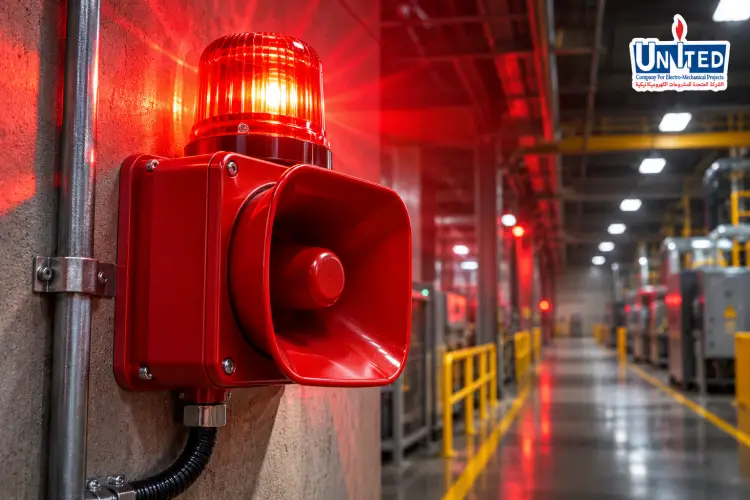
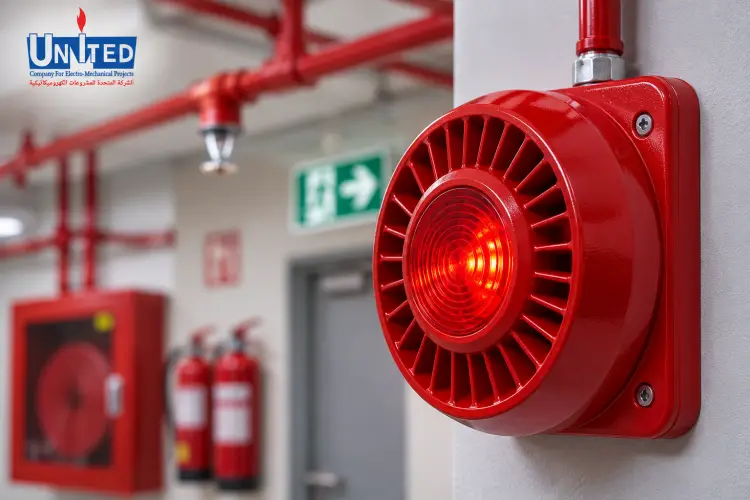
This device combines a high-volume audio alert with a powerful visual flash (Strobe), providing two alerting methods simultaneously. It is ideal for factories, workshops, and industrial facilities where machinery noise might obscure the audio alert. Furthermore, a fire alarm siren equipped with a visual strobe is utilized in environments requiring supplementary visual warnings, assisting individuals with hearing impairments and enhancing emergency response speed.
3. Fire Alarm Bell
The fire alarm bell features a clear, resonant sound, whether operating via a mechanical or electronic mechanism, making it suitable for large spaces such as schools, warehouses, and service facilities. The primary difference between a bell and a modern fire alarm siren lies in the nature of the sound: a bell typically produces a single continuous ringing tone, whereas electronic units provide multiple patterns and alarm tones, with adjustable volume levels and seamless integration with addressable and modern control systems.
Non-Negotiable Technical Specifications When Buying Warning Devices
Selecting the components of an emergency warning system is just as crucial as choosing the system itself. The quality and technical specifications of a fire alarm siren play a fundamental role in ensuring rapid alerting and effective response during emergencies. Therefore, UPCO Egypt is keen to provide advanced warning units characterized by high operational efficiency and compatibility with various control panels, helping you secure your facility according to global standards and regulations.
When purchasing an emergency alerting device, several technical criteria must be considered to ensure the right product choice:
- Sound Level (Decibels - dB): Whether you are installing a standard unit or a loud fire alarm siren for high-noise areas, the output level must exceed the ambient background noise by at least 15 dB to ensure the warning signal is clearly heard and reaches all occupants within the facility.
- Multi-Tone Capability: This feature allows choosing different alarm tones—and in advanced setups, even a fire alarm sound with voice instructions—helping distinguish a fire emergency from machinery sounds or other alert systems, ensuring quick recognition of the warning source.
- Operational Compatibility: Every fire alarm siren we supply is available in versions compatible with both Conventional and Addressable systems. You must verify compatibility with your control panel to ensure seamless integration and smooth operation.
- Weatherproof Rating: When installing warning units in outdoor locations or industrial environments, it is preferable to choose products with an appropriate protection rating such as IP65, providing defense against dust, water spray, and rain, while ensuring continuous performance under diverse environmental conditions.
You can also read our detailed guide on fire fighting box for further insights and helpful information on the topic.
Civil Defense Regulations and NFPA 72 Standards for Installation
Adhering to engineering codes and civil defense regulations is not merely about fulfilling inspection and certification requirements; it is fundamental to ensuring life safety and property protection. Accordingly, UPCO Egypt offers its engineering expertise in supplying and equipping fire detection systems in accordance with the latest international standards—chiefly NFPA 72—while observing civil defense requirements to guarantee your project's readiness and compliance with technical testing and inspections.
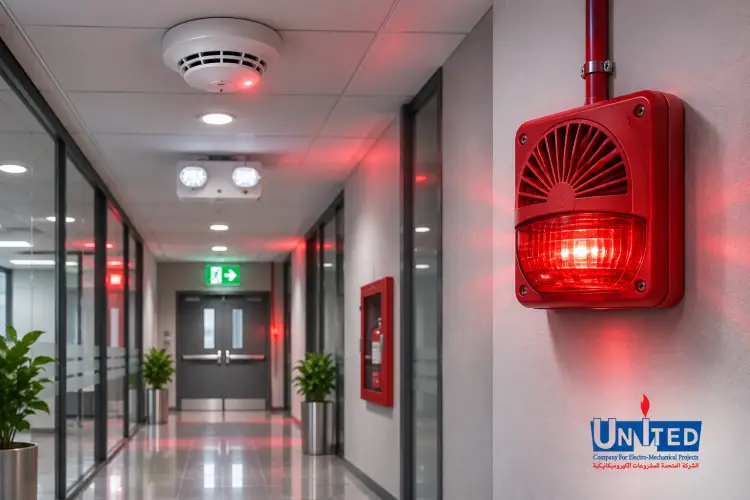
- Installation Locations: Each fire alarm siren must be thoughtfully distributed to cover all parts of the building, including closed rooms, offices, corridors, and service areas. This ensures that the audio signal clearly reaches all occupants, avoiding dead zones where the alert sound might fall short.
- Installation Height: The mounting height of warning units must be determined based on device type, manufacturer instructions, and approved engineering codes to ensure acoustic and visual signals propagate efficiently in all directions. Proper spacing between the device, the ceiling, and the floor should also be maintained for optimal facility coverage.
To expand your knowledge and explore related information, check out our article about fire hydrant.
Fire Alarm Siren Prices in Egypt
The cost of a fire alarm siren in the Egyptian market varies based on a set of technical and preparatory factors that dictate a product's suitability for each project's requirements. Key factors include:
- Presence of Visual Strobe: Prices differ between audio-only units (Horn/Sounder) and those equipped with visual strobes (Horn Strobe) due to the advanced technologies required in the latter to provide simultaneous auditory and visual warnings.
- System Type (Conventional vs. Addressable): Conventional units offer an economical cost and compatibility with standard alarm systems, whereas addressable units provide advanced integration and programming capabilities tailored to addressable control panels.
- Brand and Certifications: The manufacturer, quality certifications, and compliance approvals—such as civil defense approvals and UL/FM certifications—directly influence the price of a fire alarm siren, as certified products deliver higher reliability and strict adherence to project technical requirements.
Best Warning Brands from UPCO Egypt
UPCO Egypt offers a selection of top international brands specialized in life safety systems to meet various project requirements, most notably:
- System Sensor
- Eaton
- Zeta
And other renowned brands in the fire protection field, providing solutions tailored to project demands in terms of technical specs, quantities, and cost.
Contact UPCO Egypt now to get a customized price quote for your project's quantities, or request the technical catalog to review products, specifications, and choose the ideal solution for your needs.
Purchasing an unknown-origin or non-compliant warning device can jeopardize the efficiency of your alerting system and lead to technical issues during testing or project handover. Therefore, selecting reliable products compliant with technical requirements is a vital step toward enhancing facility safety and meeting regulatory standards. With UPCO Egypt, you can secure trusted life safety solutions that help equip your project according to the highest quality and safety benchmarks.
Discover more expert insights and helpful resources by reading our article on smoke detector price for a deeper understanding.
Frequently Asked Questions
Can a strobe warning unit be installed on a conventional fire alarm panel?
Yes, this is possible, provided you select a model of the combined strobe units (Horn Strobe) designed to work with Conventional systems. You must also verify that the operating voltage and current consumption match the specifications of the alarm panel and Notification Appliance Circuit (NAC Output) to ensure the audio and visual alerts function efficiently and safely.
What is the difference between a fire alarm bell and an electronic sounder?
- Fire Alarm Bell: Relies on a mechanical mechanism using a metal striker to emit a continuous, single-tone ringing sound. It is commonly used in schools, warehouses, and certain large spaces requiring a clear acoustic alert.
- Electronic Sounder / Horn: An electronic device that emits multiple alarm patterns—either intermittent or continuous—with options to control sound patterns and levels according to device specifications (often tested using a standard fire alarm siren sound effect during commissioning drills). Models combined with visual strobes are also available to enhance visual alerts.
How do I choose the appropriate sound level for the warning unit?
- Sound Level Requirements: The output of a warning sounder must be at least 15 dB above the average ambient noise level, in accordance with code requirements and measurement conditions.
- Quiet Environments (Offices and Homes): Units with sound levels ranging approximately between 75 and 85 dB can be chosen, depending on room size and usage nature.
- Noisy Environments (Factories and Workshops): These facilities require alarm devices with higher sound levels, which may exceed 95 to 115 dB depending on ambient noise and installation location, incorporating visual alerts when necessary or mandated by code.